

Trying to decide between crawl space encapsulation and traditional insulation? This guide explains the differences, costs, benefits, and when each crawl space insulation method makes sense.
Why Crawl Space Insulation Matters More Than Many Homeowners Realize
Crawl spaces are one of the most overlooked parts of a home.
Out of sight often means out of mind. But what happens underneath your floor can significantly affect:
- indoor comfort
- energy bills
- moisture levels
- air quality
In many homes, crawl spaces act like a gateway for outside air, humidity, and temperature changes. According to the U.S. Department of Energy, uncontrolled crawl spaces can significantly affect a home’s energy efficiency and indoor comfort.
That’s why crawl space insulation and encapsulation have become common solutions for improving home energy efficiency.
Today, homeowners typically choose between two main approaches:
- Traditional crawl space insulation
- Crawl space encapsulation
Each method solves a different problem, and understanding the differences helps homeowners decide which solution is worth the investment.
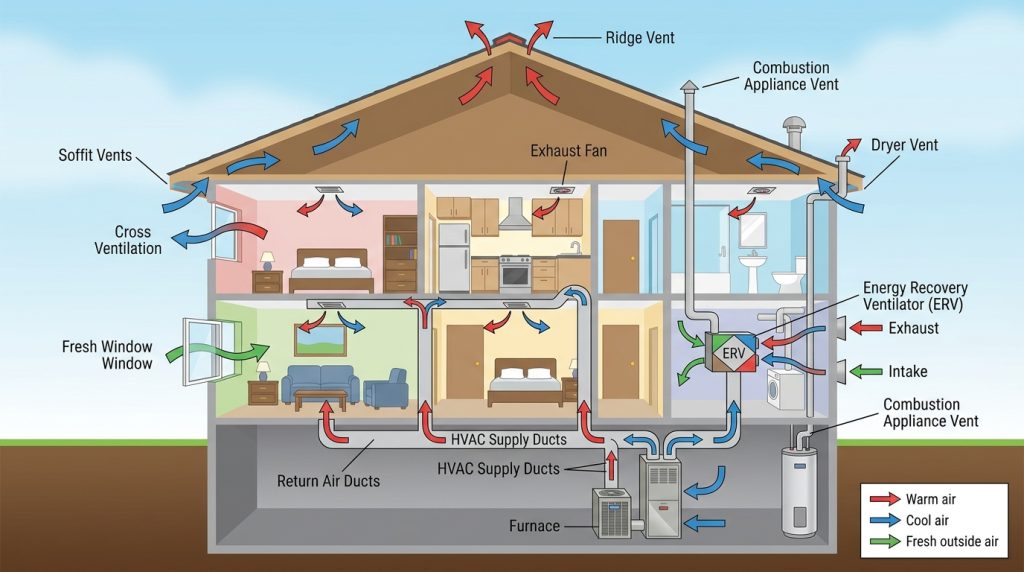
Quick Comparison: Encapsulation vs Traditional Crawl Space Insulation
If you’re deciding between the two methods, here is the simple difference.
| Method | Best For |
|---|---|
| Traditional insulation | Dry crawl spaces needing basic temperature insulation |
| Crawl space encapsulation | Homes with moisture, or air leakage problems |
Quick rule:
If the crawl space is dry and stable, traditional insulation may be enough.
If the crawl space has moisture, humidity, or air leaks, encapsulation usually provides a more complete solution.
What Is Traditional Crawl Space Insulation?
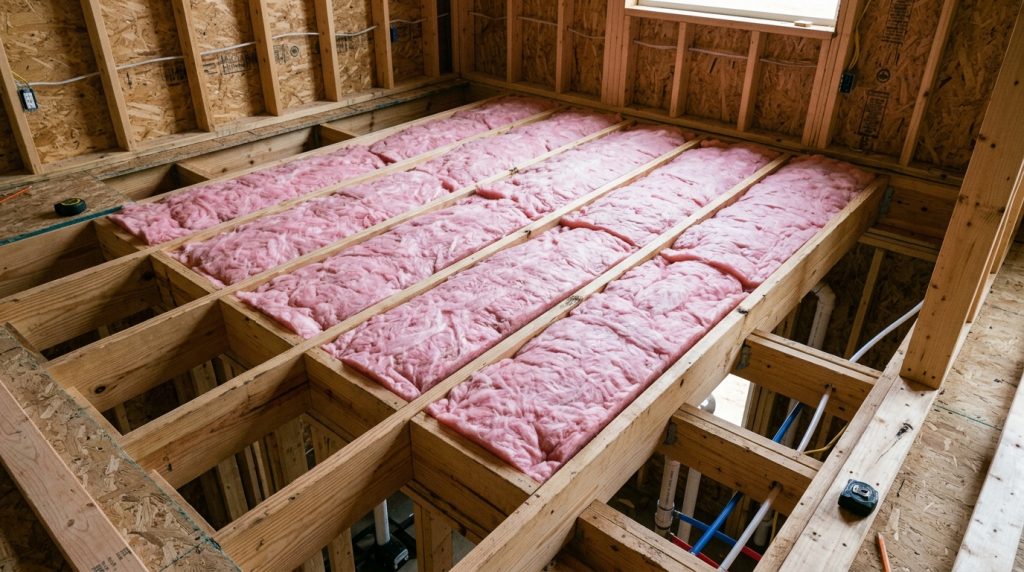
Traditional crawl space insulation focuses on insulating the floor above the crawl space, usually between floor joists.
The goal is simple:
Keep cold air in the crawl space from affecting the living space above.
Common insulation materials include:
- fiberglass batt insulation
- rigid foam board
- spray foam insulation
In many older homes, fiberglass batts are installed between joists with the insulation facing upward toward the floor.
Where Traditional Crawl Space Insulation Works Best
Traditional insulation can work well in situations where:
- the crawl space is dry and well ventilated
- moisture levels are controlled
- the goal is primarily temperature insulation
It’s also typically the least expensive initial approach.
However, it does not address humidity or air leakage within the crawl space itself.
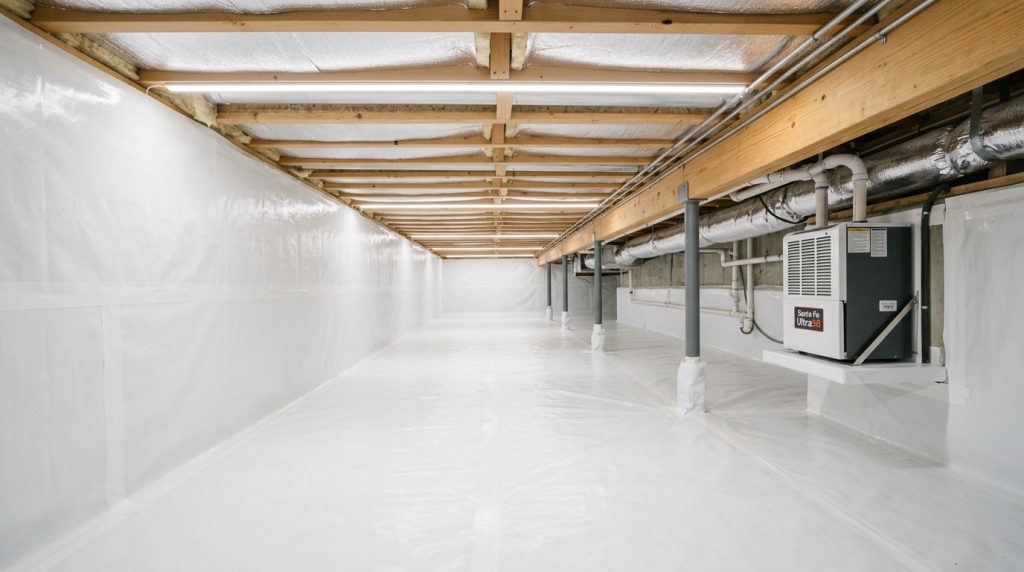
What Is Crawl Space Encapsulation?
Crawl space encapsulation takes a different approach.
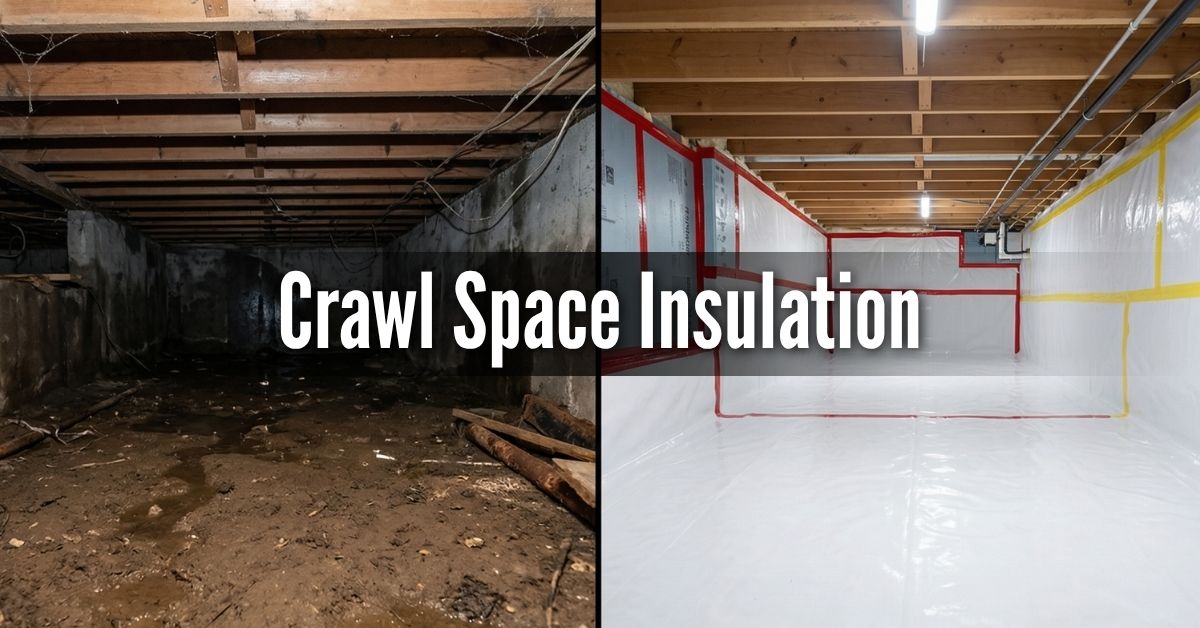
Instead of insulating the floor above the crawl space, encapsulation focuses on sealing the crawl space itself.
This process typically includes:
- sealing crawl space vents
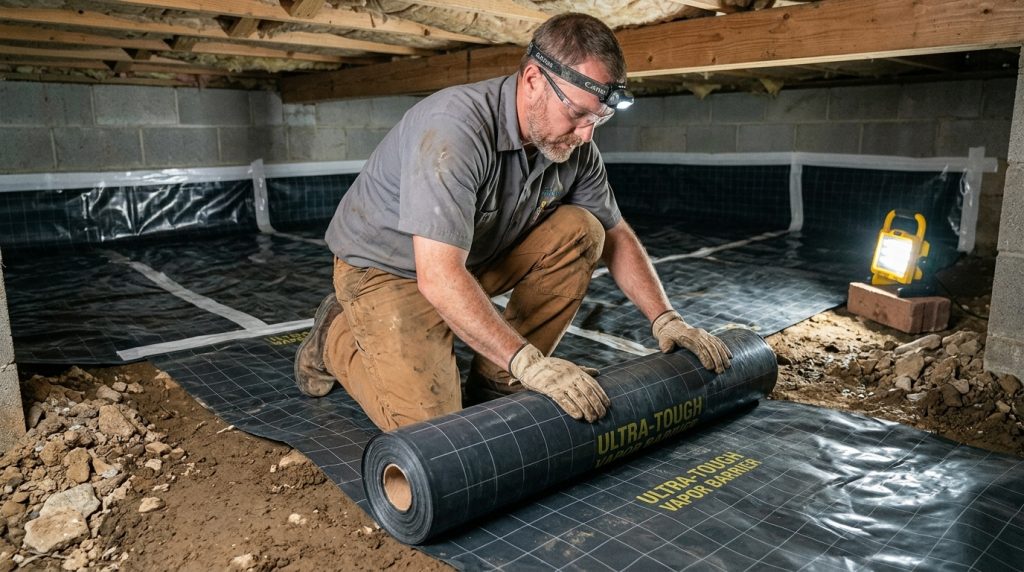
- installing a vapor barrier across the floor and walls
- sealing air gaps
- insulating foundation walls
The result is a controlled environment beneath the home.
Encapsulation turns the crawl space into something closer to a conditioned area rather than an exposed outdoor space.
Encapsulation vs Traditional Crawl Space Insulation: The Core Difference
The biggest difference between these methods is where the insulation boundary is created.
| Feature | Traditional Insulation | Crawl Space Encapsulation |
|---|---|---|
| Insulation location | Floor above crawl space | Crawl space walls and floor |
| Moisture control | Limited | Strong moisture barrier |
| Air sealing | Minimal | Extensive |
| Energy efficiency | Moderate | High potential efficiency |
| Installation cost | Lower | Higher |
Traditional insulation focuses on protecting the living space above.
Encapsulation focuses on controlling the crawl space environment itself.
When Traditional Crawl Space Insulation Makes Sense
Traditional insulation can still be a practical solution in certain homes
Dry Crawl Spaces
Dry Crawl Spaces
If a crawl space already has minimal moisture and good drainage, insulating the floor joists may be sufficient.
Budget-Conscious Improvements
Traditional insulation is usually the lowest-cost way to improve crawl space insulation.
Mild Climate Regions
In some regions with moderate climates, the simpler insulation approach works well enough to improve comfort.
However, traditional insulation alone rarely addresses underlying moisture issues.
When Crawl Space Encapsulation Is Worth the Investment
Encapsulation tends to make the biggest difference in homes where moisture control is a major concern.
Building science research has shown that sealing crawl spaces and installing vapor barriers can significantly reduce moisture intrusion while improving indoor air quality.
Humid Climates
In regions with high humidity, crawl spaces often accumulate moisture that can affect the home.
Encapsulation helps create a controlled barrier.
By sealing the crawl space from outside humidity, encapsulation helps prevent moist air from circulating into the home’s structure.
Persistent Moisture or Mold Issues
If mold, mildew, or damp smells appear inside the home, the crawl space may be contributing to the problem.
Encapsulation addresses the source rather than just insulating above it.
Energy Efficiency Improvements
Encapsulated crawl spaces can reduce energy loss by sealing air leaks and stabilizing temperatures beneath the home.
This often leads to:
- more stable indoor temperatures
- reduced HVAC workload
- lower energy bills over time
Insulating Crawl Spaces DIY: Where Spray Foam Fits
Many homeowners researching crawl space improvements are interested in DIY insulation solutions.
Spray foam insulation can be particularly useful for:
- sealing small air gaps
- insulating crawl space rim joists
- improving insulation around difficult framing areas
Spray foam expands after application, filling cracks and sealing air leaks that traditional insulation often misses.
This makes spray foam especially useful in crawl spaces where framing gaps, rim joists, and pipe penetrations are common sources of air leakage.
Some homeowners use kits such as the BEEST Fullstop Spray Foam Insulation Kit, which includes:
- 12 cans FullStop™ spray foam insulation
- CleanShot™ spray foam cleaner
- Pro-X™ metal spray foam gun
- ClearShield™ safety goggles
- BEEST Protect™ coverall
- GripLock™ gloves
These kits allow homeowners to seal air leaks and improve insulation performance in areas where batts or rigid foam may be harder to install.
Cost Comparison: Encapsulation vs Traditional Crawl Space Insulation
Cost is often the biggest deciding factor.
Typical price ranges vary by home size and crawl space condition.
| Method | Typical Cost Range |
|---|---|
| Traditional insulation | $1,000 – $3,000 |
| Crawl space encapsulation | $5,000 – $15,000 |
Encapsulation requires more materials and labor because it involves sealing the entire crawl space environment.
However, long-term benefits may include:
- reduced energy loss
- moisture protection
- improved indoor air quality
Common Crawl Space Insulation Mistakes
Homeowners often run into problems when crawl space insulation is installed incorrectly.
Installing Insulation Without Moisture Control
Insulation can trap moisture if vapor barriers are missing.
Leaving Air Leaks Unsealed
Air leaks reduce insulation performance and allow humidity to enter the crawl space.
Blocking Ventilation Improperly
Encapsulation requires a properly sealed system. Simply closing vents without sealing the crawl space can cause humidity problems.
Ignoring Rim Joist Insulation
Rim joists are one of the biggest sources of air leakage in crawl spaces.
Sealing and insulating these areas can significantly improve energy efficiency.
Is Crawl Space Encapsulation Worth the Cost?
The answer depends largely on the condition of the crawl space and the climate where the home is located.
Encapsulation may be worth the investment if:
- the crawl space experiences frequent moisture
- the home has humidity or mold concerns
- energy efficiency improvements are a priority
Traditional insulation may be sufficient if:
- the crawl space stays dry
- there are no moisture problems
- the goal is simply reducing heat loss through the floor
Many homeowners choose a hybrid approach, combining insulation improvements with targeted air sealing.
Frequently Asked Questions
Should you insulate crawl space walls or the floor above?
Traditional insulation focuses on the floor above, while encapsulation insulates crawl space walls. Encapsulation typically offers stronger moisture and air control.
Can you insulate a crawl space yourself?
Some crawl space improvements, such as sealing gaps or installing spray foam insulation, can be DIY-friendly. Larger encapsulation projects may require professional installation.
Does crawl space insulation reduce energy bills?
Yes. Proper insulation and air sealing can reduce heat loss and improve HVAC efficiency.
What insulation works best for crawl spaces?
Common materials include fiberglass batts, rigid foam board, and spray foam insulation depending on the installation method and crawl space condition.
The Bottom Line
Both traditional crawl space insulation and encapsulation aim to improve comfort and energy efficiency.
Traditional insulation focuses on insulating the floor above the crawl space.
Encapsulation focuses on sealing and controlling the crawl space environment itself.
For homes with moisture issues or humid climates, encapsulation often provides the most comprehensive solution.
For dry crawl spaces and tighter budgets, traditional insulation can still provide meaningful improvements.
Understanding the condition of the crawl space and the goals for the home helps determine which approach makes the most sense.