

Introduction
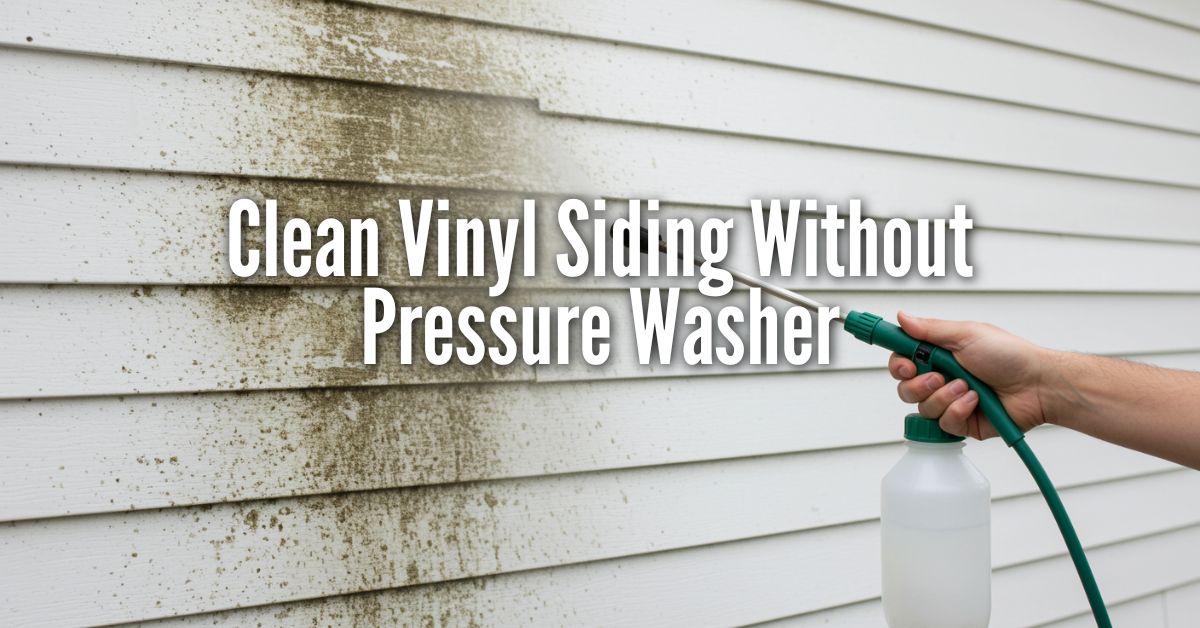
Vinyl siding keeps homes looking clean and modern — but dirt, mildew, pollen, algae, and grime build up over time, making homes look dated and dirty. Many homeowners assume a pressure washer is the only way to restore siding, but high pressure can force water behind panels, damage seams, or warp the vinyl.
Fortunately, you don’t need a pressure washer to keep your siding clean.
In real home maintenance situations, gentle cleaning methods paired with proper application tools work just as effectively and without the risks. A sprayer, soft brush, and vinyl-safe cleaner can remove buildup safely while protecting your siding and landscaping.
This guide walks you through exactly how to clean vinyl siding using a low-pressure sprayer workflow, soft scrubbing techniques, and safe cleaners like BEEST Vinyl Siding and Fence Cleaner, applied using tools such as PetraTools pump sprayers for even coverage and efficient cleaning.
Buy Product on AmazonDisclaimer: The cleaning methods and tools described in this guide are based on real-world testing and practical exterior maintenance experience. They reflect commonly recommended approaches for safely cleaning vinyl siding without pressure washing. Results may vary depending on siding condition, environment, and application technique.
How These Cleaning Methods & Products Were Evaluated
The cleaning methods and product recommendations in this guide are based on hands-on vinyl siding cleaning scenarios using low-pressure application tools. Each approach was evaluated for surface safety, grime removal, ease of application, and compatibility with common siding materials. The goal wasn’t aggressive cleaning — it was effective cleaning without risking water intrusion or siding damage.
Tools & Supplies You’ll Need
Cleaning vinyl siding without pressure means using tools designed for controlled application, not force.
Essential Tools
• Garden hose with adjustable nozzle
• Soft-bristle siding brush or microfiber mop
• Bucket and gloves
• Extension pole for reach
• PetraTools pump sprayer or hose-end sprayer for applying cleaning solution evenly
• Ladder if needed
• BEEST Vinyl Siding and Fence Cleaner
A sprayer is especially helpful because it allows you to coat siding evenly without oversaturating or scrubbing aggressively. Experienced exterior cleaning routines rely on controlled spray application instead of pressure blasting.
Why Avoid a Pressure Washer
Pressure washers may look efficient, but vinyl siding isn’t built for high force.
Pressure can:
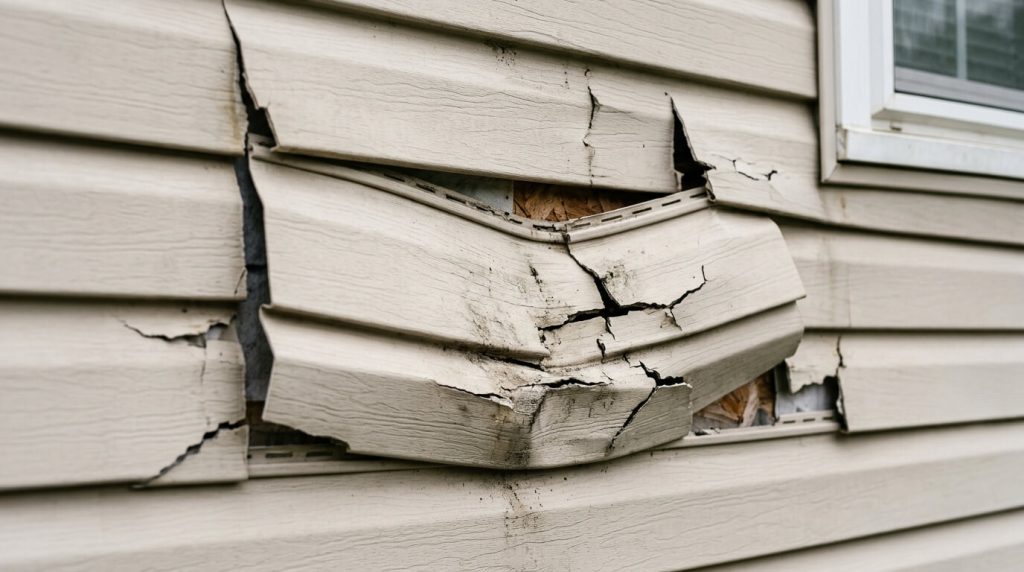
• Push water behind panels
• Damage seams or trim
• Crack aging vinyl
• Strip protective finishes
Most siding maintenance recommendations favor low-pressure spray application, followed by gentle agitation. This protects the siding structure while still removing contaminants effectively.
Many siding manufacturers recommend low-pressure cleaning methods to avoid moisture intrusion and surface damage.
Prepare Your Siding for Cleaning
Safety First
• Wear gloves and eye protection
• Close windows and doors
• Pre-wet landscaping
• Avoid windy conditions
Pre-Rinse
Use a garden hose to lightly rinse loose dirt. This prepares the surface so cleaning solutions can work more effectively.
Choosing the Right Cleaning Solution
Vinyl siding responds well to gentle cleaners — especially when applied evenly using a sprayer.
Mild Soap & Water
Great for routine cleaning. Spray solution using your PetraTools sprayer, allow light dwell time, then scrub gently.
Vinegar Solution
A 70/30 water-to-vinegar mix helps tackle mildew and organic buildup. Spray evenly and allow a short dwell before rinsing.
Oxygen Bleach Mix
For tougher stains, oxygen bleach is siding-safe and effective. Always spot test first.
Commercial Vinyl Cleaner
BEEST Vinyl Siding and Fence Cleaner is formulated to break down grime without harming vinyl. Applying it with a sprayer ensures full coverage and reduces heavy scrubbing.
Recommended Vinyl-Safe Cleaner for Routine Siding Maintenance
BEEST Vinyl Siding & Fence Cleaner
It is a practical choice for homeowners who want an effective, siding-safe cleaner without harsh pressure washing. Its concentrated formula helps break down dirt, mildew, and organic buildup while remaining gentle on vinyl surfaces. When applied with a sprayer, it delivers even coverage and reduces the need for aggressive scrubbing — making routine exterior maintenance faster and safer.
Example homeowner feedback from real-world siding cleaning scenarios:
Scott, Hershey, Pennsylvania: “I didn’t want to risk using a pressure washer on our siding, so I tried this BEEST cleaner with a backpack sprayer. It cut through the green buildup way faster than I expected. The siding looked noticeably cleaner.
Amy, Harrisonburg, Virginia: “We use this once a season with a garden sprayer, and it keeps the siding clean without harsh chemicals or damage. It’s simple and effective. It saves a lot of time compared to hand scrubbing everything.”
Buy Product on AmazonStep-by-Step Sprayer Cleaning Method
This method mirrors field-tested exterior cleaning routines that rely on controlled spray application, not pressure.
Here’s how that sprayer-based cleaning workflow looks in practice:
1. Rinse the Surface
Lightly rinse siding with a hose to remove loose debris.
2. Spray Cleaning Solution
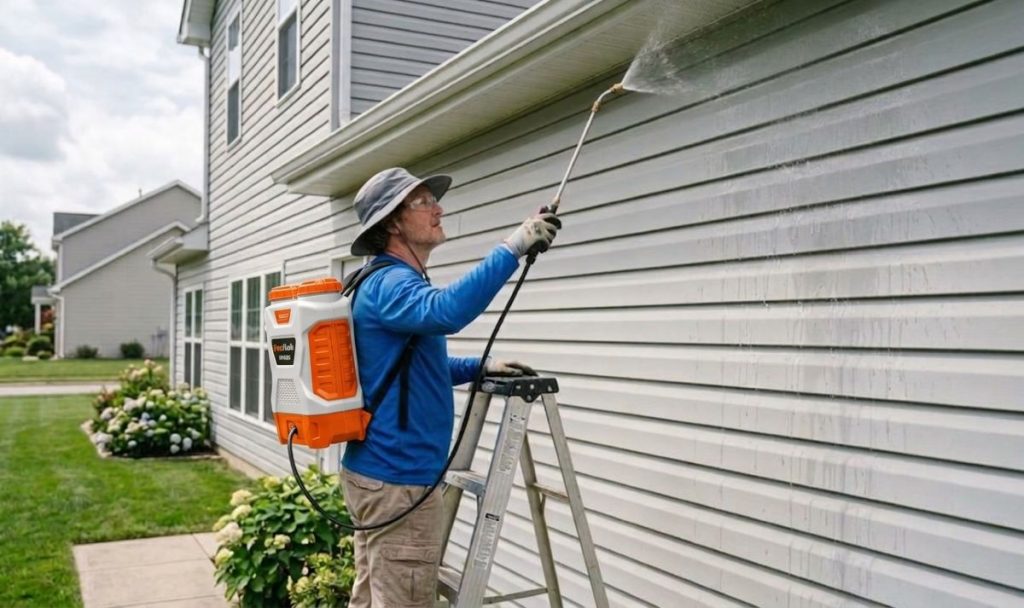
Fill your PetraTools sprayer with your chosen solution. Spray siding evenly from bottom to top to prevent streaking. Allow 5–10 minutes of dwell time — never let the cleaner dry.
3. Gentle Scrubbing
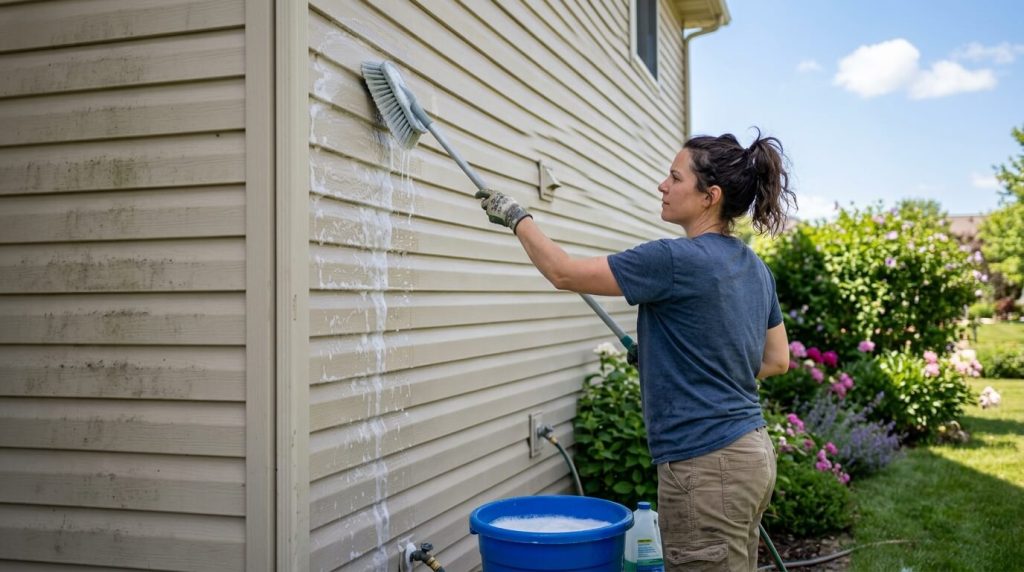
Use a soft brush or mop to agitate stubborn areas. Focus on mildew streaks and shaded sections.
4. Rinse Thoroughly
Rinse from top to bottom to remove residue completely.
5. Repeat if Needed
Heavily stained areas may require a second sprayer application.

PetraTools HD4000 Backpack Sprayer
Best for: Lawn care, pest control, property maintenance
Key features: 4-gallon tank, adjustable pressure, rechargeable battery
Availability: In stock for $199.99
Buy ProductRemoving Mold, Mildew & Algae
Organic growth often appears on shaded siding. Sprayer application allows the cleaner to reach textured vinyl evenly.
• Spray vinegar or oxygen bleach mix
• Allow dwell time
• Scrub lightly
• Rinse thoroughly
Targeted sprayer treatment prevents oversaturation while breaking down growth safely.
Seasonal Home Cleaning Schedule
Most homes benefit from siding cleaning:
• Once in early spring
• Once in late summer
Regular sprayer maintenance prevents buildup and reduces aggressive scrubbing later.
Safety & Landscaping Protection
• Always spot test solutions
• Pre-wet plants before spraying
• Rinse landscaping afterward
• Never mix chemical cleaners
Sprayer control minimizes runoff and protects nearby surfaces.
Frequently Asked Questions
Yes — sprayer application paired with brushing is often safer and equally effective for vinyl siding which mirrors common low-pressure exterior maintenance practices.
Diluted bleach can be used cautiously, but oxygen bleach or vinyl-safe cleaners are preferred.
No — a garden hose, soft brush, and a sprayer like those from PetraTools make cleaning efficient and controlled.
Most homes benefit from cleaning vinyl siding once or twice per year. Regular cleaning prevents mildew buildup and reduces the need for aggressive scrubbing later.
Yes — aggressive scrubbing or high-pressure washing can warp or force water behind siding panels. A sprayer-based, low-pressure method is designed to clean safely without damaging the material. A soft bristled brush on a long handle will help with gentle yet thorough cleaning.
Not always. Many areas will rinse clean after sprayer application and dwell time. Scrubbing is usually only needed for mildew streaks or stubborn grime.
Mild, overcast days are ideal. Avoid cleaning in direct sunlight or freezing temperatures, as cleaners can dry too quickly or behave unpredictably.
Conclusion
Cleaning vinyl siding doesn’t require pressure or risk. A sprayer-based workflow, soft agitation, and vinyl-safe cleaners like BEEST Vinyl Siding and Fence Cleaner deliver professional-level results without damaging your home.
Using a PetraTools sprayer allows even coverage, better dwell time, and safer cleaning — turning what seems like a heavy job into a manageable DIY routine that protects your siding for years to come.
Author Bio: Kimberly Schuyler has over 10 years of experience writing practical home and property maintenance guides based on real-world testing, industry best practices, and hands-on DIY experience.