

Introduction
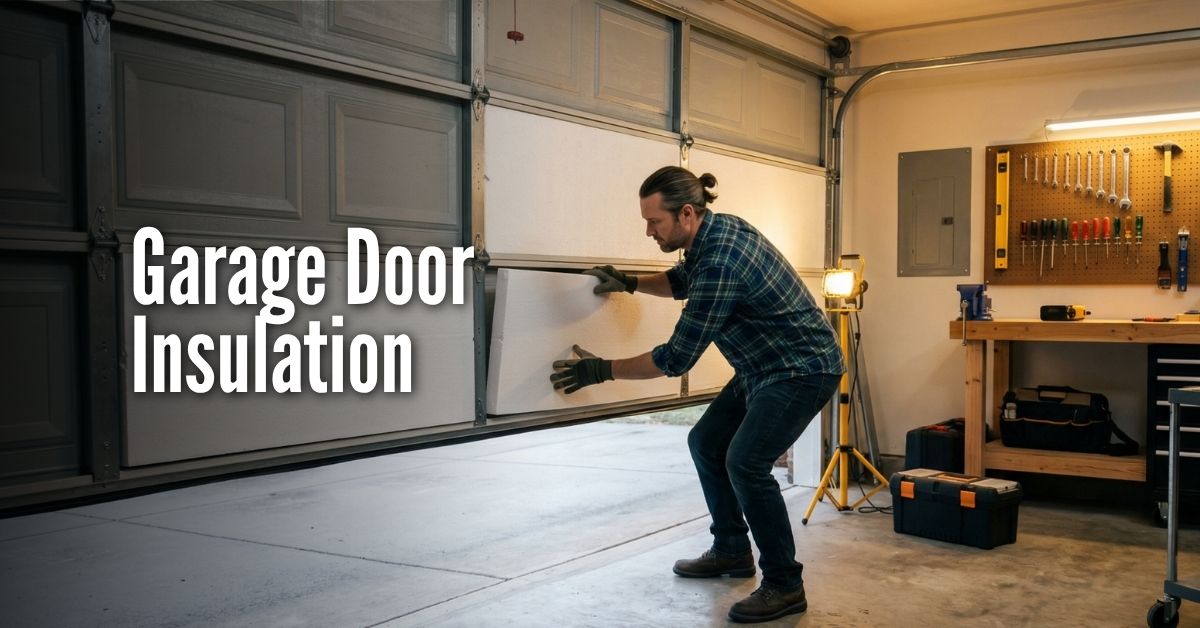
Garage door insulation is one of those upgrades most people don’t think about… until the garage starts feeling like an outdoor room in winter or a heat trap in summer.
An uninsulated garage door is basically a big thermal weak spot. Cold air slips in during winter. Heat pours in during summer. And if your garage is attached, those temperature swings don’t stay isolated — they affect nearby rooms too.
Adding insulation slows all that down. It helps stabilize temperatures, improves comfort, and makes the garage feel less like a weather buffer and more like a usable space.
In this guide, we’ll walk through:
- what garage door insulation actually does
- what it costs
- what kind of savings or comfort you can realistically expect
- when insulation makes sense
- what DIY options like Garage Insul8 look like in the real world
The goal isn’t to oversell anything — it’s to help you decide if this upgrade fits your situation.
Buy ProductHow Garage Door Insulation Works
Garage door insulation is all about slowing heat transfer between outside air and your garage.
When insulation is added, it reduces:
- winter heat loss
- summer heat gain
- rapid temperature swings
That doesn’t magically turn your garage into a conditioned living space, but it does make it feel more stable.
Unlike wall insulation, garage doors have to move constantly. They vibrate, flex, and open dozens or hundreds of times a month. Good insulation systems need to handle that motion while still maintaining a thermal barrier.
So it’s not just about stuffing material into panels — it’s about durability and fit.
Real Benefits of Insulating a Garage Door
Energy Efficiency & Reduced Heat Loss
If your garage connects to your home, insulation helps limit how much outdoor air influences interior temperatures.
That can reduce how hard your heating or cooling system has to work. Savings vary a lot depending on climate and layout, but homeowners often notice improved temperature consistency more than dramatic bill reductions.
Think of it as helping your home hold temperature better, not flipping a switch on energy costs.
Temperature Regulation & Comfort
This is where most people feel the biggest difference.
An insulated garage tends to stay:
- warmer in winter
- cooler in summer
That makes it more usable for projects, workouts, storage, or hobbies — instead of avoiding it for half the year.
Noise Dampening
Insulation adds a layer that absorbs vibration and outside noise. If your garage shares walls with living spaces, that extra quiet can be surprisingly noticeable.
Structural Support
Insulated panels tend to flex less during operation. That can make the door feel sturdier and reduce rattling or vibration over time.
It’s not a structural overhaul — just a practical improvement in how the door behaves.
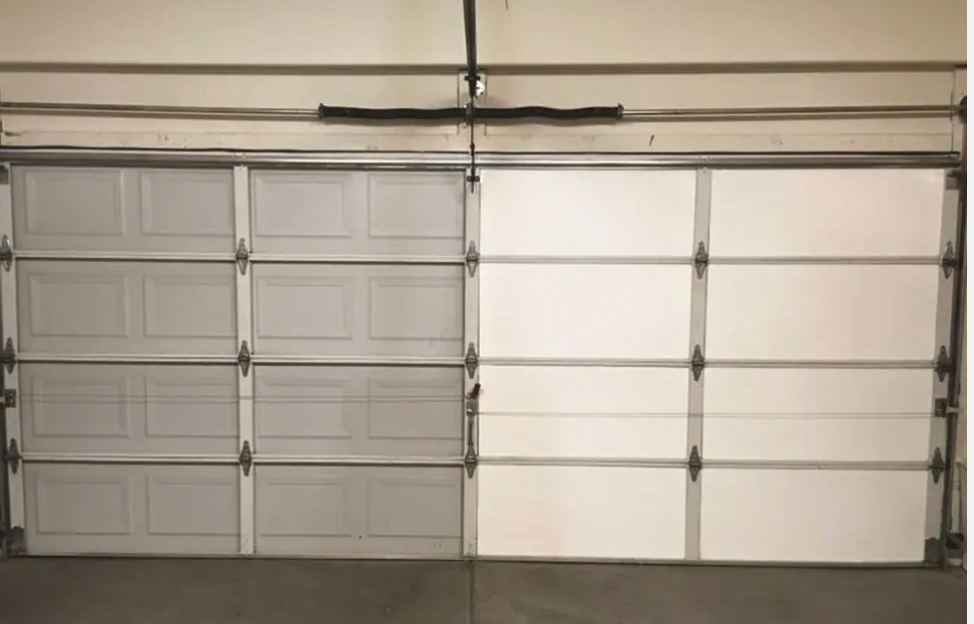
Image suggestion:
Alt Text: Garage door insulation improves energy efficiency, reduces noise, and regulates garage temperatures year-round.
Cost Breakdown: DIY vs Upgraded Doors
Garage door insulation usually falls into three price categories:
| Upgrade Type | Typical Cost Range | What You’re Paying For |
|---|---|---|
| DIY Insulation Kit | $50 – $200 | Basic thermal barrier materials |
| Premium DIY System | $150 – $300 | Better fit, durability, coverage |
| New Insulated Door | $900 – $2500+ | Factory-built insulation and door upgrade |
If your existing door is in good shape, DIY insulation tends to offer the best return for the least investment.
Replacing the door makes more sense when the structure itself needs upgrading.
Cost vs Savings: What Homeowners Actually See
Garage insulation isn’t usually about chasing big utility bill drops.
Savings depend on:
- climate
- garage layout
- home insulation
- how often the door opens
Most homeowners end up valuing:
✔ improved comfort
✔ fewer drafts near adjacent rooms
✔ more stable garage temperatures
✔ usability year-round
Energy efficiency is part of the equation, but the day-to-day comfort improvements are what people actually notice.
Think of insulation as a quality-of-life upgrade with efficiency benefits — not a miracle energy fix.
Garage Door Insulation Types Explained
Foam Board Panels
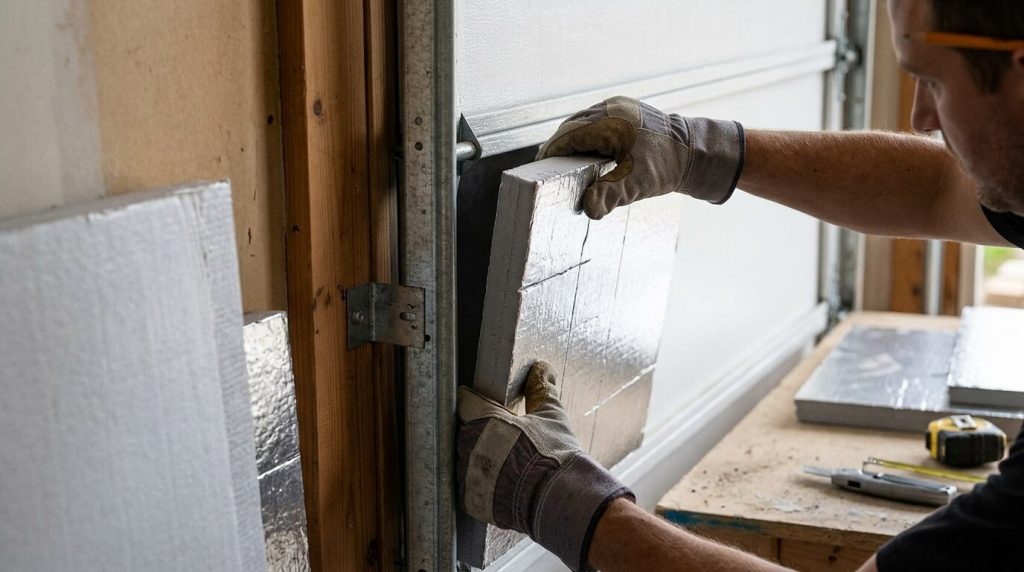
Rigid inserts that sit inside door sections. A common DIY option that offers decent thermal resistance without much complexity.
Reflective Thermal Barriers
Designed to reflect radiant heat. Popular in warmer climates where heat gain is the main concern.
Fiberglass Batts
Higher insulation potential but more sensitive to moisture and movement. Works best when properly protected.
Factory Polyurethane Core Doors
Built-in insulation from the manufacturer. Strong thermal performance and structural rigidity — but at a higher cost.
DIY Garage Insulation Kits: What to Expect
DIY kits are popular because they’re accessible, affordable, and can noticeably improve comfort.
Modern systems are designed to:
- fit sectional garage doors
- tolerate vibration
- stay in place over time
- reduce heat transfer without bulky materials
Example: Garage Insul8 Insulation Kit
Garage Insul8 is a homeowner-focused system designed specifically for sectional garage doors. Instead of loose insulation or makeshift inserts, it aims to create a structured thermal layer that holds up under repeated door movement.
The focus is on:
- proper panel fit
- durability
- vibration resistance
- real-world usability
Image suggestion: BEEST Garage Insul8 Kit
Alt Text: Dual-core foam panels help keep the heat out in summer and lock it in during winter.
Disclaimer: Garage Insul8 is one example of a structured DIY insulation approach. This guide looks at insulation solutions based on practicality, performance, and homeowner experience — not brand preference.
Buy Garage Insul8 KitGarage Door Insulation Options at a Glance
Here’s a simple side-by-side comparison to help visualize what you’re choosing between:
Comparison Table — Garage Door Insulation Options
| Option | Cost Range | Installation Difficulty | Comfort Improvement | Durability | Best For |
|---|---|---|---|---|---|
| Basic foam panel kit | $50–$120 | Easy DIY | Professional | Fair | Budget upgrades |
| Reflective barrier kit | $40–$100 | Easy DIY | Mild-Moderate | Fair | Warm climates |
| Structured DIY kit (Garage Insul8 style) | $150–$300 | DIY friendly | Strong | High | Attached garages & frequent use |
| Fiberglass insulation | $80–$150 | Moderate DIY | Moderate | Variable | Protected installs |
| Factory insulated door | $900–$2,500+ | Professional | Maximum | Very high | Full door upgrade |
Quick Decision Guide
- Choose a basic foam kit if:
You want a low-cost comfort improvement. - Choose a structured kit (like Garage Insul8) if:
You want better fit, durability, and year-round garage usability. - Choose a factory insulated door if:
You’re replacing the door anyway and want maximum performance.
Real-World Garage Comfort Experiences
Workshop Garage Upgrade
“After insulating the door, the garage stopped feeling like outdoor space. Winter projects became realistic instead of miserable. The temperature swings are way less dramatic.”
-Sean, New Hampshire-
Attached Garage Comfort Improvement
“Rooms near the garage don’t feel drafty anymore. It’s not a huge transformation, but it’s definitely noticeable.”
-Jared, Ohio-
When Garage Door Insulation Makes Sense
Insulation is most worthwhile when:
✔ the garage is attached to the home
✔ you use the space regularly
✔ your climate has strong seasonal swings
✔ nearby rooms feel temperature fluctuations
It’s about improving how the space functions, not perfection.
When It May Not Be Necessary
Insulation has limited impact when:
- the garage is detached
- it’s used only for parking
- the door opens constantly
- other air leaks dominate
In those cases, other improvements might provide better value.
How We Evaluated Garage Insulation Options
This guide focuses on real-world performance:
- thermal effectiveness
- durability during repeated door cycles
- installation practicality
- homeowner usability
- comfort impact
Not just marketing claims.
The goal is practical decision-making, not theoretical performance.
FAQ: Garage Door Insulation
For many homeowners, yes — especially if the garage is attached to the house. Insulation won’t magically slash your energy bill, but it can stabilize temperatures, reduce drafts near adjacent rooms, and make the garage far more comfortable to use year-round. Most people notice comfort improvements first, savings second.
Expect the garage to feel less extreme — warmer in winter and cooler in summer. The exact difference depends on climate and garage layout, but insulation helps slow temperature swings instead of letting outdoor air dominate the space.
It can help, particularly with attached garages, because it reduces heat transfer into nearby living areas. That said, insulation is best viewed as a comfort and efficiency upgrade, not a guaranteed bill reducer.
That depends on your goal:
• Foam panels → solid DIY balance
• Reflective barriers → heat control in warm climates
• Structured kits (like Garage Insul8) → better fit and durability
• Factory insulated doors → highest performance, highest cost
The “best” choice is the one that fits your garage door and how you use the space.
Yes. Many homeowners install insulation kits in under a couple of hours. Modern kits are designed to fit sectional doors and handle vibration from regular use. Professional installation is mainly helpful if the door itself needs upgrading.
When properly installed and weight limits are respected, insulation won’t harm the door system. Most DIY kits are lightweight and designed for standard garage doors.
Yes — insulation absorbs vibration and outside noise. You may notice quieter operation and less sound transfer into adjacent rooms.
If the garage is detached, rarely used, or already well separated from living spaces, the comfort payoff may be minimal. In those cases, insulation might not provide meaningful value.
A properly installed insulation system can last for years. Structured kits designed for door movement tend to hold up better than loose materials or temporary fixes.
Conclusion
Garage door insulation isn’t about chasing perfect energy numbers. It’s about making the garage more comfortable, more usable, and less affected by outdoor extremes.
For attached garages or frequently used spaces, DIY upgrades — including structured systems like Garage Insul8 — can offer meaningful improvements without replacing the entire door.
The right choice depends on your climate, how you use the space, and what you expect from the upgrade.