

Introduction: Most Lawn Problems Aren’t Bad Luck. They’re Fixable Habits.
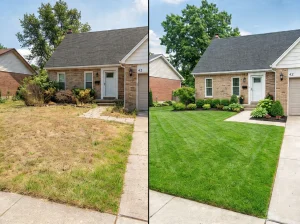
If your lawn looks tired, patchy, or just refuses to thrive no matter how much effort you throw at it, the issue is rarely the grass itself. Lawns are resilient. What causes problems with growth and color are small, repeated mistakes that quietly stress the turf week after week.
Most lawns decline gradually, not suddenly, which makes these habits easy to miss.
The good news is that once you recognize these patterns, they’re surprisingly easy to correct. A few adjustments to watering, mowing, feeding, and seasonal care can completely change how your lawn performs.
Think of this as a lawn reset. Not more work. Just smarter work.
Mistake #1: Watering Too Often (But Not Deep Enough)
The Problem
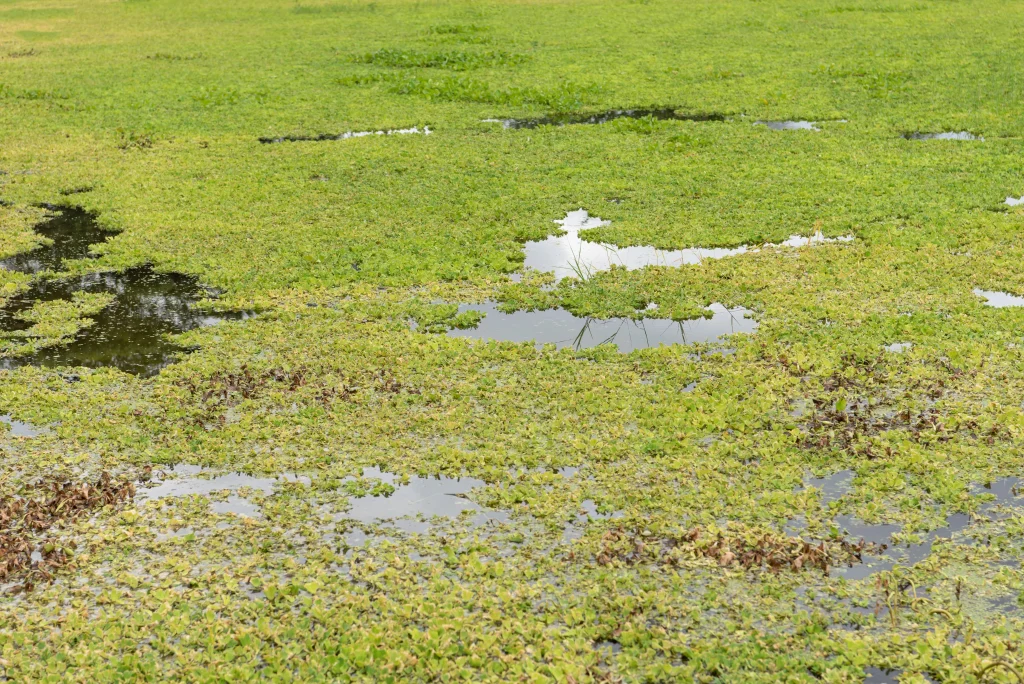
Frequent light watering trains grass roots to stay near the surface, where they dry out faster and become vulnerable to heat and disease.
The Fix
Water deeply but less often. Aim for about 1 to 1.5 inches per week, including rainfall.
Why it works: Deep watering encourages roots to grow downward, creating drought-resistant turf.
Many lawns are watered on a timer designed for convenience, not root health.
Many university extension programs recommend this deeper, less frequent watering approach because it strengthens root development.
Mistake #2: Cutting Grass Too Short
The Problem
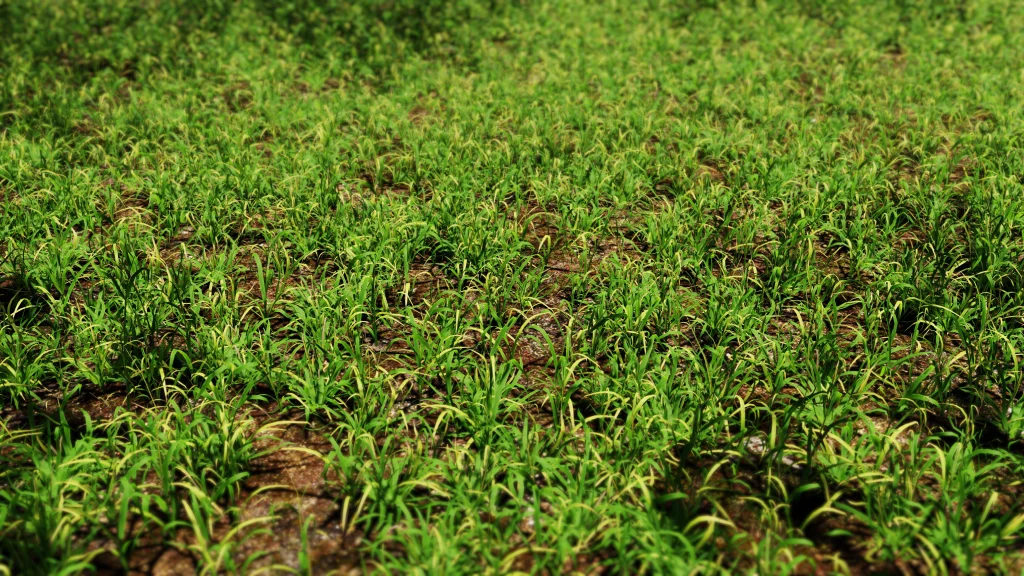
Scalping the lawn weakens grass, exposes soil to sunlight, and invites weeds to take over.
The Fix
Follow the one-third rule: never remove more than one-third of the blade at a time.
| Grass Type | Ideal Height |
|---|---|
| Cool-season grasses | 3 to 4 inches |
| Warm-season grasses | 2 to 3 inches |
Taller grass shades soil, retains moisture, and naturally suppresses weeds.
Mistake #3: Fertilizing at the Wrong Time
The Problem
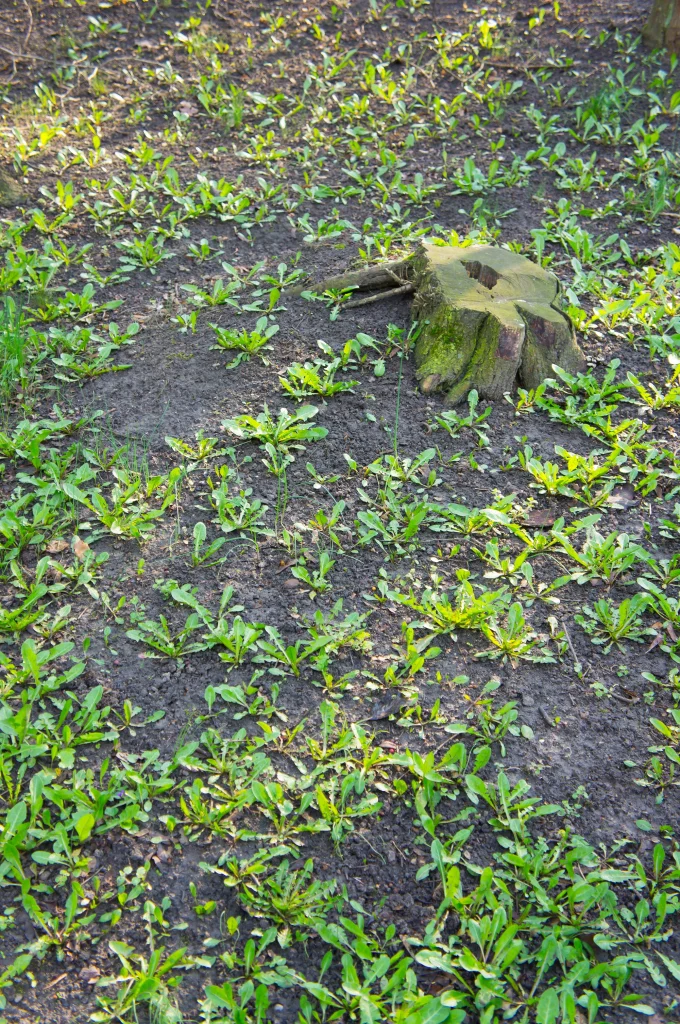
Applying fertilizer during heat stress or dormancy can burn turf or trigger weak growth.
The Fix
Feed grass during its active growing season:
- Early spring for recovery
- Late spring for density
- Fall for root strength (most important for cool-season lawns)
Use controlled, even applications and avoid applying before heavy rain.
If the lawn is not actively growing, it is not ready to use fertilizer efficiently.
Mistake #4: Ignoring Soil Compaction
The Problem
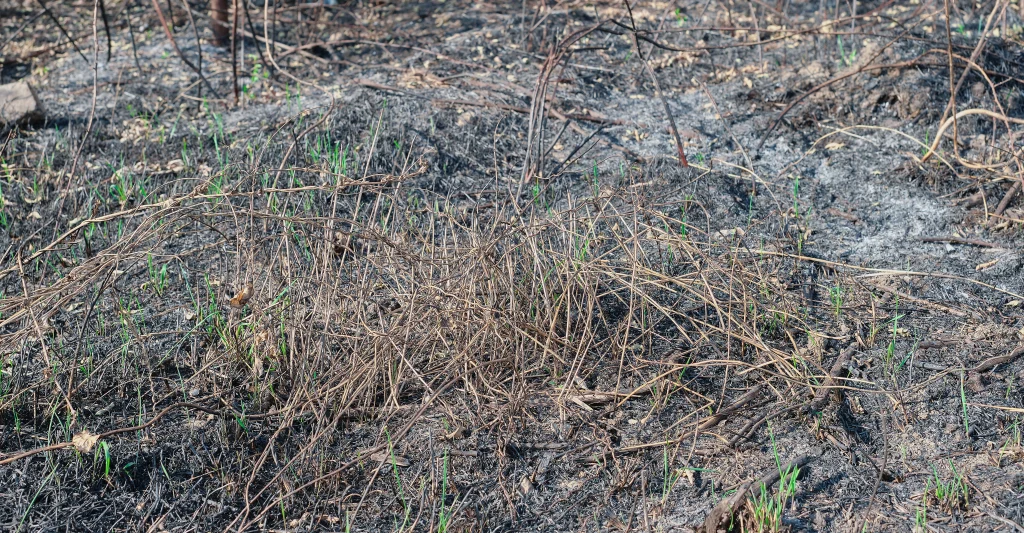
Foot traffic, mowing, and weather compress soil, limiting oxygen and water movement.
The Fix
Aerate annually in high-traffic lawns to open channels for:
- Root expansion
- Nutrient absorption
- Water penetration
Healthy lawns grow from breathable soil, not just surface care.
Manual aerators punch small holes in the soil to loosen it. Liquid aeration can also be applied to help loosen compacted soil and improve movement of water and nutrients.
Mistake #5: Using the Wrong Products for the Job
The Problem
Homeowners often rely on one-size-fits-all treatments instead of targeted solutions.
The Fix
Start by identifying what the lawn is actually lacking, then match the solution to that need:
- Nutrient deficiencies need balanced lawn nutrients
- Faded mulch beds benefit from color restoration products
- Loose landscape rock needs stabilizing adhesives
- Seasonal stress requires recovery-focused treatments
Using purpose-built lawn solutions prevents over-application and wasted effort.
Looking for targeted solutions?
PetraMax Lawn Fertilizer Max
Balanced nutrients to support overall lawn recovery.
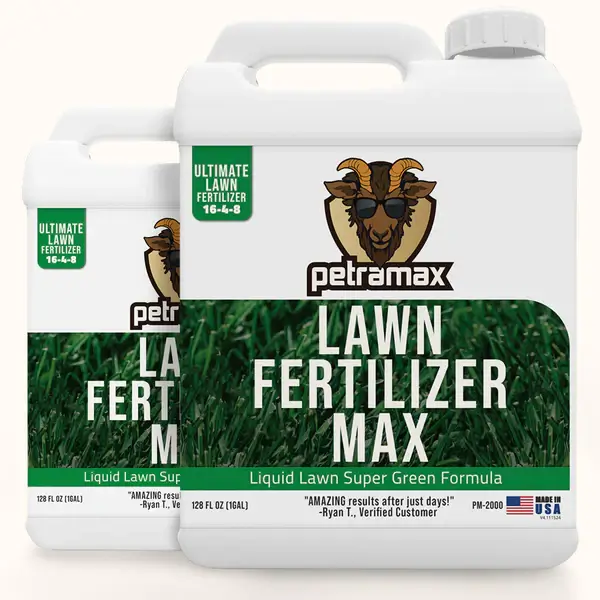
PetraMax Liquid Fertilizer Max
Best for: Lawn greening, root development, all grass types, spring & summer feeding, disease resistance
Key features: 16-4-8 NPK, quick & slow-release nitrogen, chelated iron, pet-friendly, treats up to 12,800 sq. ft.
Availability: In stock, starting from $78.99
Buy ProductPetraMax Nitrogen Max
Higher nitrogen for active growth phases.
Neighbor’s Envy
Multi-nutrient support for sustained color and density.

PetraMax Neighbor's Envy
Best for: Deep green color, all grass types, drought & heat tolerance, season-long turf care
Key features: 7 key nutrients in one bottle, visible green-up in 7–14 days, covers up to 16,000 sq. ft. per gallon, pet safe once dry
Availability: In stock — from $56.99 (1 gallon)
Buy ProductMistake #6: Mowing with Dull Blades
The Problem
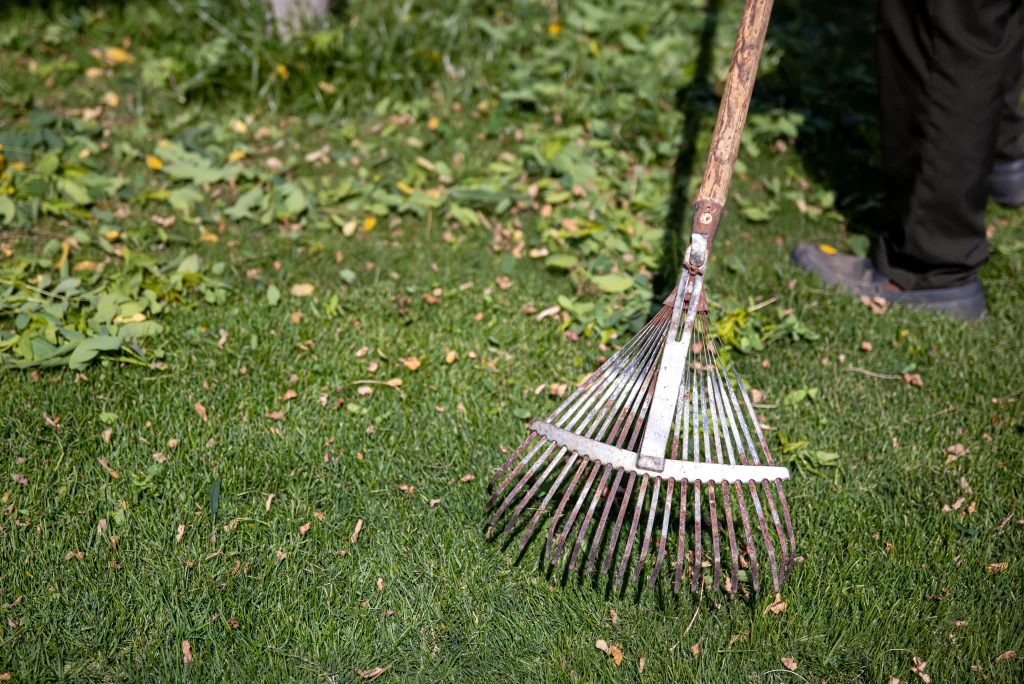
Dull mower blades tear grass instead of cutting it cleanly, leaving ragged edges that invite disease.
The Fix
Sharpen blades every 20 to 25 mowing hours.
A clean cut heals faster and reduces moisture loss.
Mistake #7: Letting Weeds Dictate Your Strategy
The Problem
Reacting to weeds after they appear leads to constant catch-up cycles.
The Fix
Focus on lawn density first. Thick turf naturally crowds out weeds by blocking sunlight at the soil level.
Healthy grass is the best weed control.
Mistake #8: Skipping Seasonal Adjustments
The Problem
Many homeowners treat lawn care like a static routine, when grass needs change throughout the year.
The Fix
Adjust practices by season:
| Season | Focus |
|---|---|
| Spring | Recovery and feeding |
| Summer | Stress management and deep watering |
| Fall | Root strengthening and repair |
| Winter | Minimal traffic & prep |
Grass responds to seasonal changes just like any other plant system. They respond best to seasonal rhythm.
Mistake #9: Overcorrecting Problems Too Quickly
The Problem
Applying multiple treatments at once can overwhelm turf already under stress.
The Fix
Make changes gradually:
- Correct watering first
- Adjust mowing height
- Then introduce nutrients or treatments
Grass responds better to steady improvement than shock therapy.
Mistake #10: Expecting Instant Results
The Problem
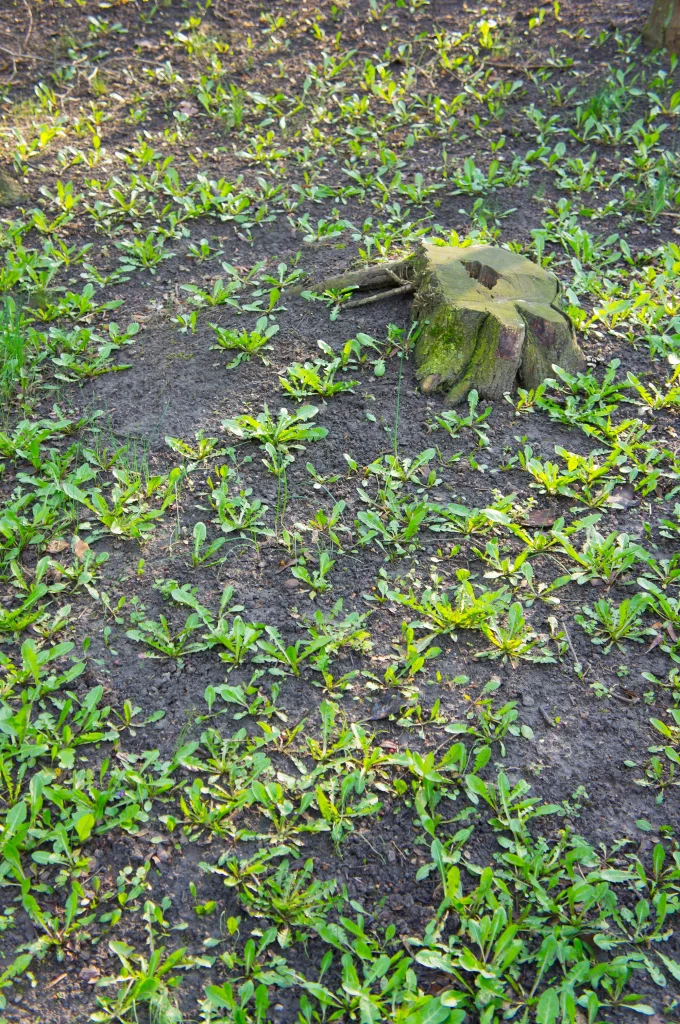
Lawn care is often treated like a weekend project rather than a biological process.
The Fix
Measure success over weeks, not days.
Root development, density, and color improvements take time to stabilize. Consistency always beats intensity.
Quick Diagnostic Guide: What Your Lawn Is Trying to Tell You
| Symptom | Likely Cause | First Adjustment |
|---|---|---|
| Patchy growth | Compacted soil | Aerate |
| Brown tips after mowing | Dull blades | Sharpen mower blades |
| Weak color | Nutrient imbalance | Apply targeted lawn nutrients |
| Weeds everywhere | Thin turf | Raise mowing height |
| Dry spots | Shallow watering | Water deeply, less often |
Practical Product Integration (Where Solutions Fit Naturally)
When correcting lawn care mistakes, the right support tools can make adjustments easier and more consistent:
- Lawn nutrient solutions help restore balance during recovery phases
- Mulch and rock stabilizers reduce maintenance in landscaped beds
- Targeted treatments allow more precise treatment instead of over-applying products
- Application tools ensure even coverage and reduce waste
The goal is not more products. It is using the right solution at the right time to reinforce healthier habits.
Good Lawn Care Is About Better Habits, Not More Work
| Old Habit | Better Approach | Why it Matters |
|---|---|---|
| Watering a little every day | Water deeply once or twice a week | Encourage deeper, stronger roots |
| Cutting grass very short | Maintain proper mowing height | Helps shade soil and prevent weeds |
| Applying fertilizer whenever the lawn looks dull | Feed during active growth periods | Prevents burn and improves absorption |
Frequently Asked Questions
Most lawns begin showing visible improvement within 3 to 6 weeks, depending on temperature and growing conditions once watering and mowing habits are corrected.
Only for newly seeded lawns. Established turf prefers deep, infrequent watering.
No. Fix watering or mowing issues first, then feed once the lawn resumes active growth.
Once a year for most lawns. Twice if soil is heavily compacted.
Mowing height has a bigger long-term impact than fertilizer. It controls root depth, moisture retention, and weed pressure.
Final Takeaway: Healthy Lawns Are Built on Consistency, Not Complexity
Great lawns rarely come from doing more. They come from doing the fundamentals correctly and letting grass do what it naturally wants to do: spread, root, and thicken.
Avoid these ten mistakes, make small corrections, and your lawn shifts from constant repair mode into steady growth mode. That is where maintenance gets easier, inputs decrease, and the yard finally starts working with you instead of against you.
Lawns improve through consistency, not quick fixes.
Buy Products Here