

Why Temperature Matters More Than You Think
Cold plunging isn’t just about jumping into freezing water and hoping for the best. The temperature you choose directly affects how your body responds, from muscle recovery to mental clarity.
Most people assume colder is better. In reality, there’s a sweet spot.
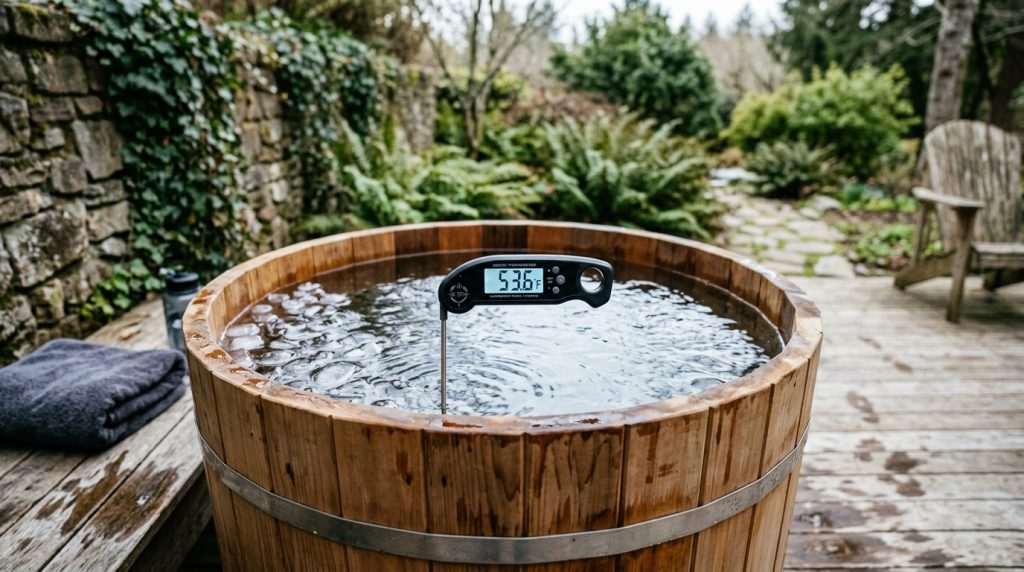
Research and clinical guidance show that cold water therapy typically falls between about 50°F and 59°F for optimal benefits, with beginners often starting slightly warmer.
Go too cold too fast, and you’re fighting your body instead of working with it. Stay too warm, and you’re not getting the full effect.
Finding your ideal range is where the magic happens.
Ideal Cold Plunge Temperature Ranges
Cold plunge temperatures generally fall into a few practical zones:
60–68°F → “Cool & Comfortable”
- Great for first-time users
- Still delivers mental refresh and light circulation benefits
- Easy entry point if you’re hesitant
50–59°F → “The Sweet Spot”
- Most commonly recommended range
- Supports recovery and reduces soreness
- Cold enough to trigger benefits without overwhelming shock
39–49°F → “Advanced Zone”
- Used by experienced plungers
- More intense response
- Requires shorter exposure times
Most studies and experts land on roughly 39–59°F (4–15°C) as the effective cold plunge range.
What Is the Best Cold Plunge Temperature for Beginners?
If you’re just getting started, resist the urge to go extreme.
A good starting point:
- 60–68°F for your first few sessions
- Then gradually move toward 55–60°F
Many medical sources recommend easing into colder water rather than jumping straight into near-freezing temps.
Why this works:
- Your body adapts more comfortably
- You avoid cold shock
- You build consistency (which matters more than intensity)
Think of it like strength training. You don’t walk into the gym and deadlift your max on day one.
Best Cold Plunge Temperature for Recovery
If your goal is muscle recovery, soreness reduction, or post-workout reset, slightly colder temperatures tend to be more effective.
Ideal recovery range:
- 50–59°F for most people
- Short sessions (3–10 minutes)
This range is widely used in athletic settings because it helps reduce inflammation and muscle soreness without excessive stress.
Colder doesn’t always mean better. Consistency beats intensity here.
How to Find Your Personal Sweet Spot
Here’s where it gets personal.
Your “ideal” cold plunge temperature depends on:
- your tolerance
- your goals (energy vs recovery)
- how often you plunge
A simple approach:
- Start at 60–65°F
- Stay in for 1–3 minutes
- Gradually decrease temperature over time
- Track how you feel afterward
What you’re looking for:
- Alert, energized feeling
- Not overwhelming discomfort
- No lingering shivering for long periods
If it feels like a battle every time, it’s probably too cold.
Step-by-Step: Setting Up Your Cold Plunge Temperature
If you’re doing this at home, consistency matters just as much as temperature.
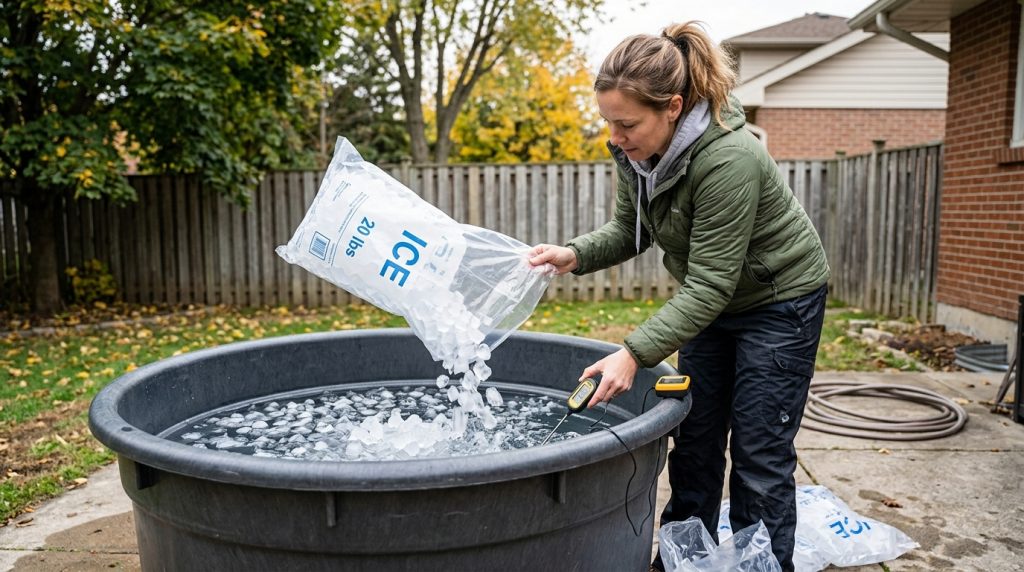
Step 1: Fill Your Tub with Cold Water
Start with tap water and adjust using ice as needed.
Step 2: Measure Temperature
Use a simple thermometer. Guessing doesn’t work here.
Step 3: Adjust Gradually
Lower temp session by session, not all at once.
Step 4: Keep Water Clean and Balanced
This is the part most people overlook.
Cold plunge water sits. And when it sits, it needs maintenance.
That’s where products like:
Pure 55 Cold Plunge Water Treatment
come in.
They help:
- keep water clear
- reduce buildup
- extend time between full water changes
Which means your plunge stays usable without turning into a science experiment.
Best Conditions for Cold Plunging
A few simple things make a big difference:
- Do it when your body is already warm (post-workout works well)
- Avoid jumping in when you’re already cold
- Keep sessions short, especially at lower temperatures
- Warm up naturally afterward
Consistency beats intensity every time.
Common Mistakes When Choosing Cold Plunge Temperature
Going Too Cold Too Fast
This is the most common mistake. It leads to poor experiences and quitting altogether.
Staying in Too Long
Colder temps = shorter sessions.
Ignoring Your Body
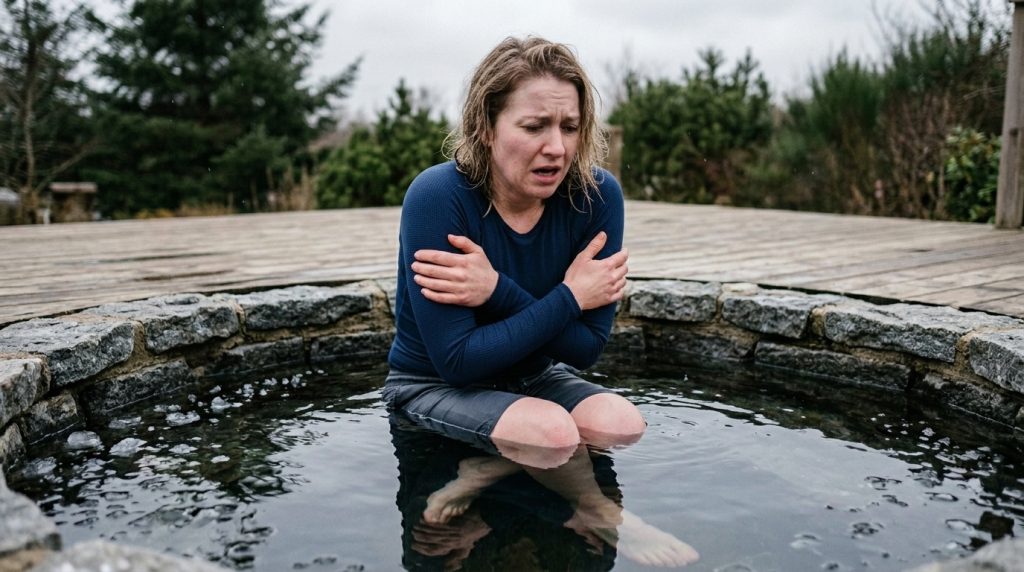
If you feel dizzy, overly numb, or uncomfortable beyond normal cold, get out.
Not Maintaining Water Quality
Stagnant water ruins the experience fast.
Frequently Asked Questions (FAQs)
Most people see benefits in the 50–59°F range, which balances effectiveness and safety.
Start around 60–68°F, then gradually work lower as your tolerance builds.
No. Extremely cold temperatures increase risk and discomfort without necessarily improving results.
Beginners: 1–3 minutes
Intermediate: 3–10 minutes
Advanced: shorter durations at colder temps
The Bottom Line
Cold plunging isn’t about chasing the lowest number on the thermometer.
It’s about finding a temperature that:
- challenges your body
- feels sustainable
- delivers consistent results
For most people, that ends up somewhere in the 50–59°F range, with beginners starting warmer and working their way down.
Dial in the temperature, stay consistent, and keep your setup clean and manageable.
That’s when cold plunging stops feeling like a shock… and starts feeling like a tool.