

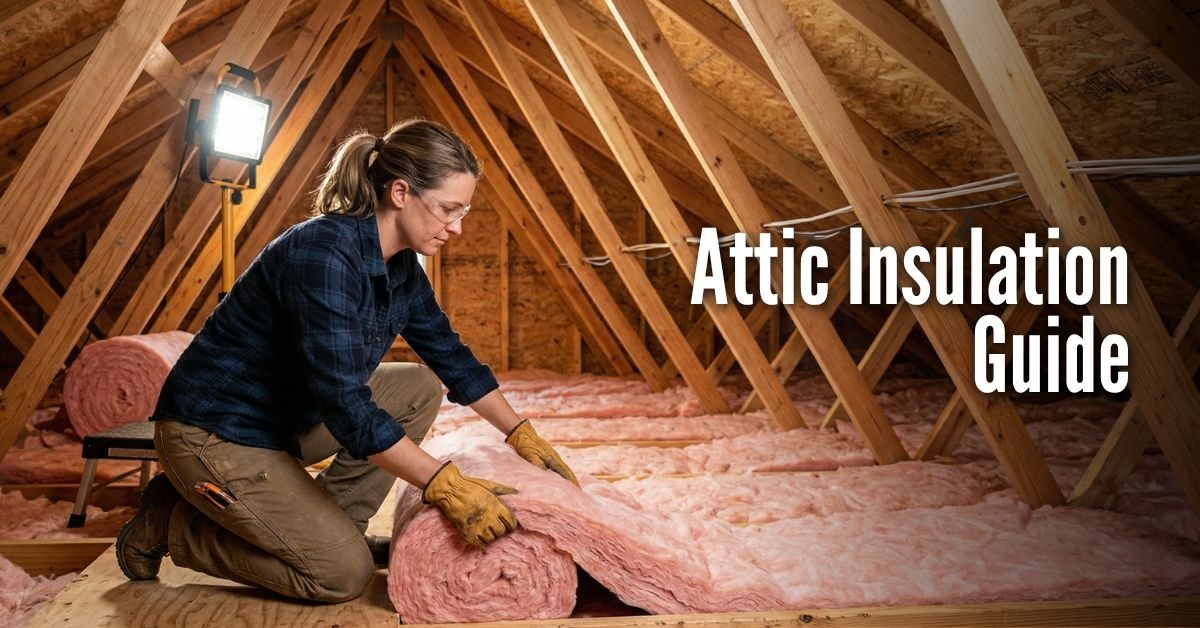
Why Attic Insulation Matters
Your attic plays a much bigger role in home comfort than most homeowners realize.
Because heat naturally rises, the attic is often the largest area where heat escapes during winter and enters during summer.
Poor attic insulation can lead to:
• higher energy bills
• uneven indoor temperatures
• overworked heating and cooling systems
• reduced overall home comfort
According to energy efficiency studies, improving attic insulation is one of the most effective upgrades homeowners can make to reduce heating and cooling costs.
Good insulation helps slow the transfer of heat between your attic and the living space below, which is why many homeowners look for ways to insulate their attic themselves or improve existing attic insulation.
According to ENERGY STAR, improving attic insulation is one of the most cost-effective upgrades homeowners can make to reduce heating and cooling costs.
How Attic Insulation Actually Works
Insulation works by slowing the movement of heat.
During summer, insulation helps prevent hot attic air from transferring into the house.
During winter, insulation helps keep warm indoor air from escaping through the ceiling.
This temperature barrier helps your HVAC system maintain comfortable indoor temperatures without working as hard.
The effectiveness of insulation is measured using something called an R-value.
Understanding R-Values
R-value measures how well insulation resists heat flow.
The higher the R-value, the better the insulation performs.
For example:
• Low R-value = heat moves through more easily
• High R-value = heat transfer slows significantly
Attic insulation typically requires higher R-values than wall insulation because heat tends to accumulate near the roof.
R-value requirements vary depending on climate zone, attic design, and the type of insulation material used.
Signs Your Attic May Need Better Insulation
Common signs include:
• rooms that feel hotter or colder than the rest of the house
• high heating or cooling bills
• uneven temperatures between floors
• visible attic floor joists above insulation
• ice dams forming on the roof in winter
These symptoms often indicate insufficient insulation or air sealing.
Recommended Attic R-Values by Climate
General recommendations for attic insulation in the United States include:
| Climate | Recommended R-Value |
|---|---|
| Warm Climates | R-30 to R-49 |
| Moderate Climates | R-38 to R-60 |
| Cold Climates | R-49 to R-60 |
Homes in very hot regions often benefit from higher R-values because the attic can reach extremely high temperatures during summer months.
The U.S. Department of Energy provides detailed insulation recommendations based on climate zones and home construction.
Types of Attic Insulation Explained
Several types of insulation are commonly used in residential attics.
Each option has advantages depending on the attic layout and installation method.
Fiberglass Batt Insulation
Fiberglass batts are one of the most widely used insulation materials.
Advantages:
• affordable
• easy to install between joists
• widely available
They work best in unfinished attics with standard framing spacing.
Blown-In Insulation
Blown-in insulation uses loose material such as fiberglass or cellulose that is distributed across the attic floor using specialized equipment.
Advantages:
• fills irregular spaces well
• improves coverage around obstacles
• works well for upgrading existing insulation
Spray Foam Insulation
Spray foam insulation expands after application, filling gaps and sealing air leaks.
Advantages:
• strong air sealing properties
• high insulation performance
• fills small gaps and cracks
Closed-cell spray foam can help reduce air leakage around framing, attic penetrations, and other small openings where conditioned air commonly escapes.
DIY solutions such as BEEST Spray Foam Insulation Kits or smaller spray foam cans are often used to seal air gaps around attic openings, vents, and wiring penetrations.
These targeted applications can significantly improve overall insulation performance because sealing air leaks prevents conditioned indoor air from escaping into the attic.
Cost of Attic Insulation
Brief example:
The cost of attic insulation varies depending on the insulation type, attic size, and whether the work is DIY or professional. Fiberglass batts are typically the most affordable option, while spray foam insulation generally costs more due to its air-sealing performance.
What Type of Insulation Is Best for an Attic in a Hot Climate?
Homes in hot climates face a different challenge than homes in colder regions.
Instead of preventing heat loss, the goal is to reduce heat entering the home from a super-heated attic space.
Many professionals recommend combining insulation types.
For example:
• blown-in insulation across the attic floor
• spray foam for air sealing around penetrations
• proper attic ventilation
This combination improves both thermal resistance and air sealing, which helps reduce heat transfer into living spaces.
Before You Start: Basic Attic Safety
Before working in an attic, take a few basic precautions.
Make sure you:
• wear gloves and protective clothing
• use a dust mask or respirator if insulation is disturbed
• ensure adequate lighting in the attic
• walk only on ceiling joists or installed flooring boards
• avoid stepping directly on drywall
Attics can become very hot during summer months, so plan work during cooler parts of the day and stay hydrated.
How to Insulate an Attic (DIY Guide)
Many attic insulation improvements can be done by homeowners.
Step 1: Inspect the Existing Insulation
Check the attic floor for existing insulation depth.
Older homes may have insulation levels well below modern recommendations.
Step 2: Identify Air Leaks
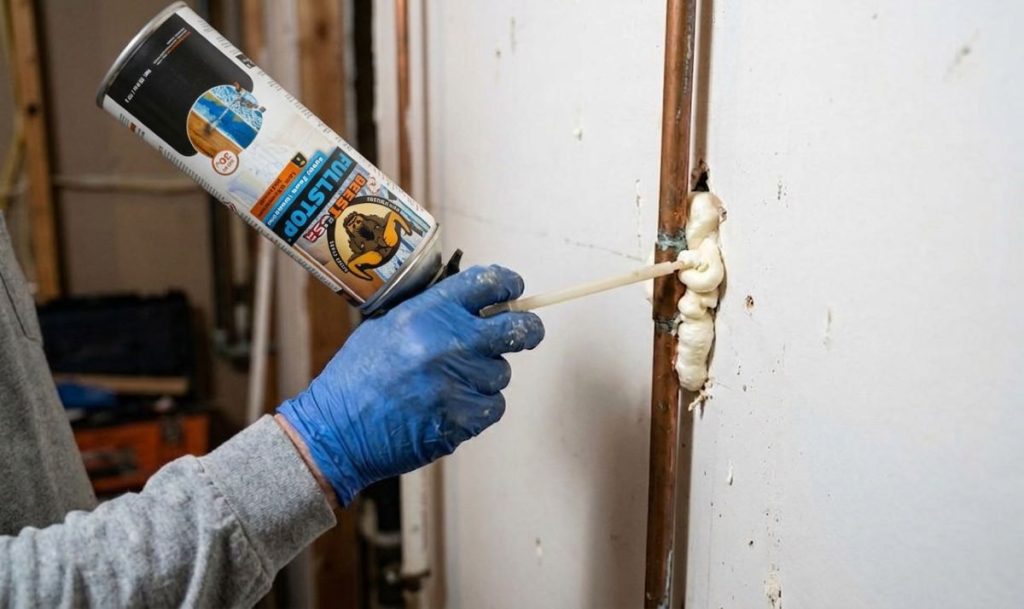
Before adding insulation, look for areas where air may escape.
Common air leak areas include:
• attic hatches
• wiring openings
• plumbing vents
• recessed lighting fixtures
Sealing these gaps first improves the effectiveness of the insulation.
DIY products such as spray foam insulation cans can be useful for sealing small penetrations before adding insulation layers.
Air Sealing Tip:
Many insulation professionals recommend sealing air leaks before adding insulation layers.
Small gaps around wiring, plumbing, and attic hatches can allow conditioned air to escape into the attic. Spray foam products, such as closed-cell spray foam cans or insulation kits, are commonly used to seal these penetrations before insulation is added.
Step 3: Add or Upgrade Insulation
Once air leaks are sealed, insulation can be added or upgraded.
Options include:
• installing fiberglass batts
• blowing in loose insulation
• improving existing insulation coverage
Step 4: Maintain Ventilation
Proper attic ventilation is critical.
Insulation should not block:
• soffit vents
• ridge vents
• attic ventilation pathways
Balanced airflow helps prevent moisture buildup and overheating.
Baffles or ventilation chutes are often installed near soffit vents to keep insulation from blocking airflow.
Where Spray Foam Insulation Works Best
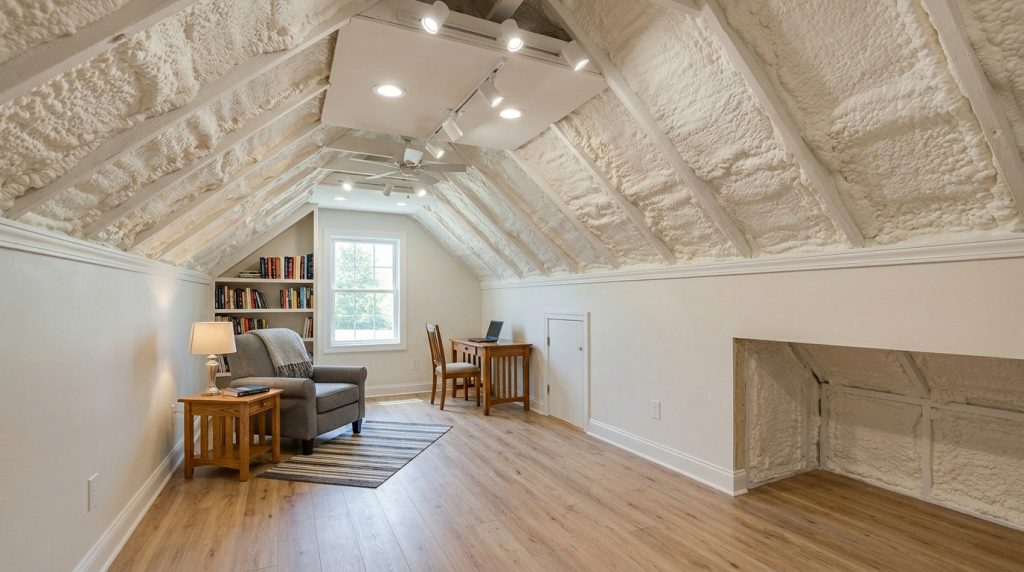
Spray foam is most effective when used for air sealing rather than insulating entire attic floors.
Common areas where spray foam helps include:
• attic hatch gaps
• plumbing pipe penetrations
• wiring holes
• small framing gaps
• vent penetrations
Products like the BEEST Closed-Cell Spray Foam Insulation Kit can be used for larger sealing projects, while smaller spray foam cans are useful for targeted repairs.
Sealing these openings helps prevent conditioned indoor air from escaping into the attic.
Common Attic Insulation Mistakes
Ignoring Air Sealing
Adding insulation without sealing air leaks reduces its effectiveness.
Blocking Ventilation
Insulation should never block soffit vents.
Proper airflow is essential for attic health.
Uneven Insulation Coverage
Gaps or thin areas reduce insulation performance.
Even coverage across the attic floor is important.
How Much Attic Insulation You May Need
The amount of insulation required depends on:
• your climate zone
• the existing insulation depth
• attic layout
• air sealing conditions
Many homes built before modern energy codes may benefit from additional insulation layers.
A simple attic inspection can help determine whether an upgrade is worthwhile.
A quick rule of thumb is that attic insulation should cover the floor joists completely and extend several inches above them depending on the desired R-value.
Frequently Asked Questions (FAQs)
If your current insulation depth is below recommended R-value levels for your climate (often visible if joists are exposed or insulation is thin), or if indoor temperatures fluctuate significantly with outdoor changes, adding more insulation can improve comfort and efficiency.
Yes, many attic insulation upgrades — especially adding blown-in or batt insulation to accessible attic floors — can be completed as a DIY project with proper safety gear, though air sealing and ventilation checks are crucial first steps.
Spray foam excels at air sealing and higher R-value per inch, making it great for sealing gaps and conditioned attics, while fiberglass (batts or blown) is often more cost-effective for covering large open areas in traditional vented attics.
Most homes benefit from attic insulation in the R-38 to R-60 range, depending on your climate zone — warmer areas often need R-30 to R-49, moderate zones R-38 to R-60, and colder zones R-49 to R-60 (check DOE or Energy Star maps for your exact zone).
The Bottom Line
Attic insulation is one of the most effective ways to improve home comfort and energy efficiency.
By understanding insulation types, recommended R-values, and proper installation methods, homeowners can make informed decisions about upgrading their attic insulation.
Combining good insulation coverage with proper air sealing and ventilation helps create a more comfortable and energy-efficient home year-round.
Even small improvements such as sealing gaps with spray foam or adding insulation layers, can significantly improve attic performance.