

Introduction: Why Cold Plunging Is Showing Up in Backyards (Not Just Spas)
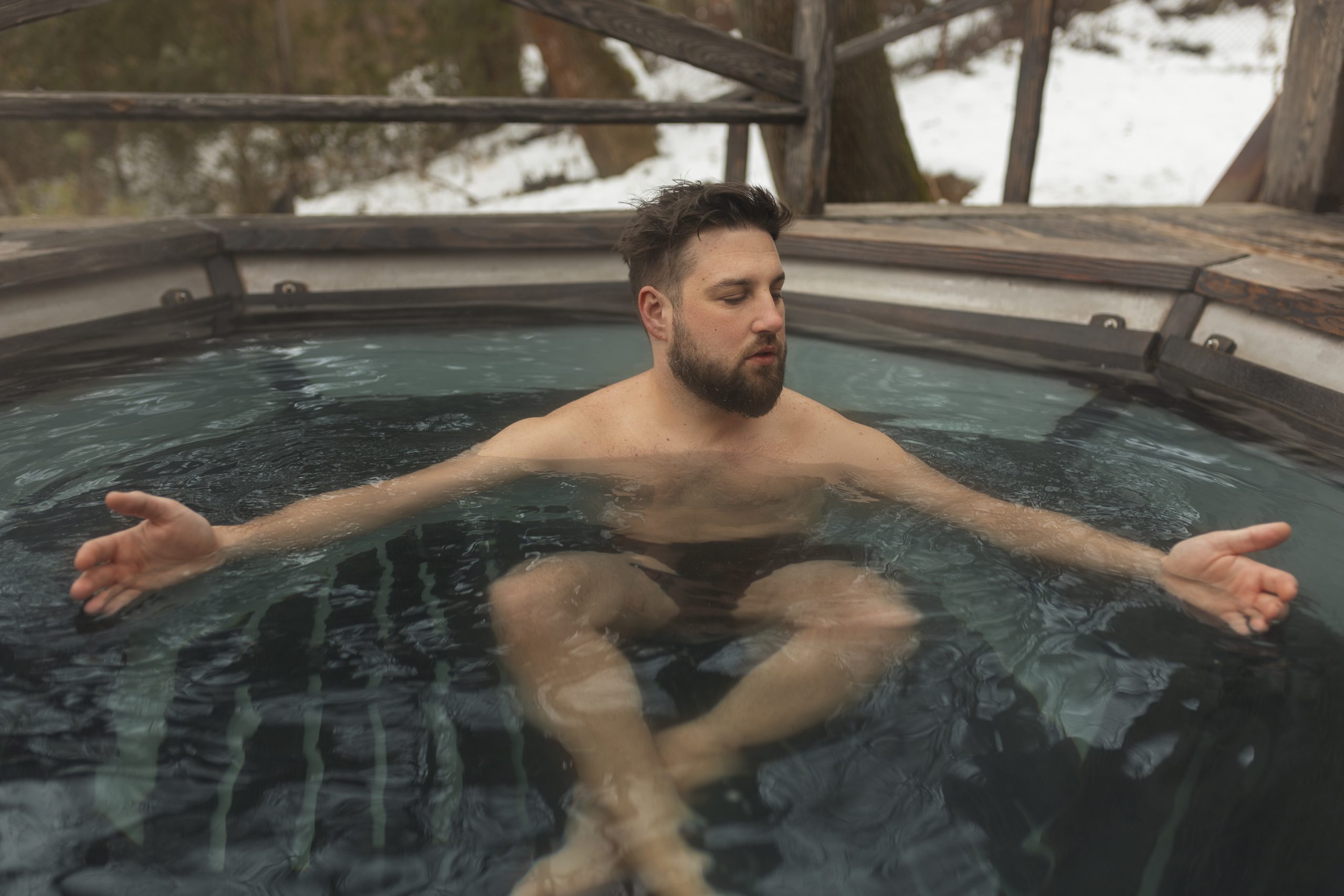
Cold plunging isn’t just for sports’ training rooms or Scandinavian saunas anymore. It’s becoming more and more popular in everyday homes across America. People are building simple setups on patios, in garages, and in various outdoor spaces.
The appeal is straightforward. You do not need a luxury wellness center. You need cold water, consistency, and a setup that stays clean and ready to use.
For everyday homeowners, cold plunging is less about elite athletic recovery and more about feeling sharper, less sore, and more energized for the day ahead. Many people use it as a simple routine to support muscle recovery, boost mental clarity, and build a consistent wellness habit without needing a gym or spa.
This ice bath guide walks through how to choose a plunge style, how cold is actually cold enough, how to maintain water quality, and how to build a routine that works without turning your life into a science experiment.
Buy Product on AmazonTypes of Cold Plunge Setups (And Which One Fits Your Space)
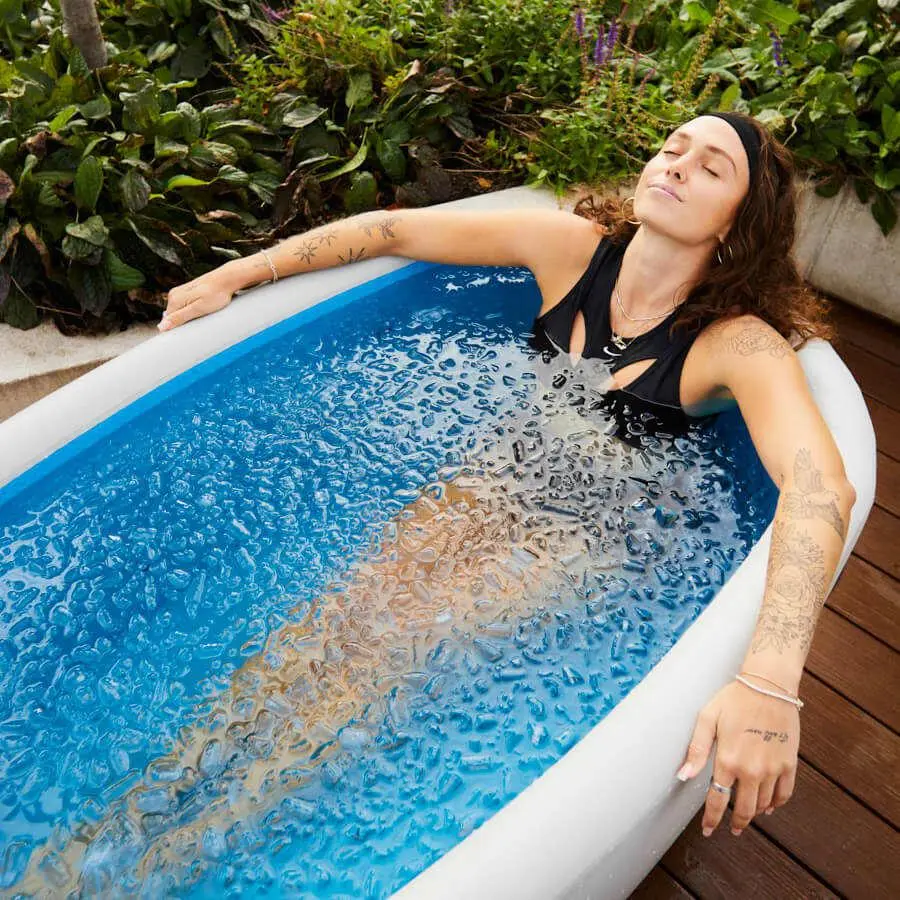
1. Portable / Inflatable Plunges
Best for beginners or seasonal users.
- Lightweight and easy to store
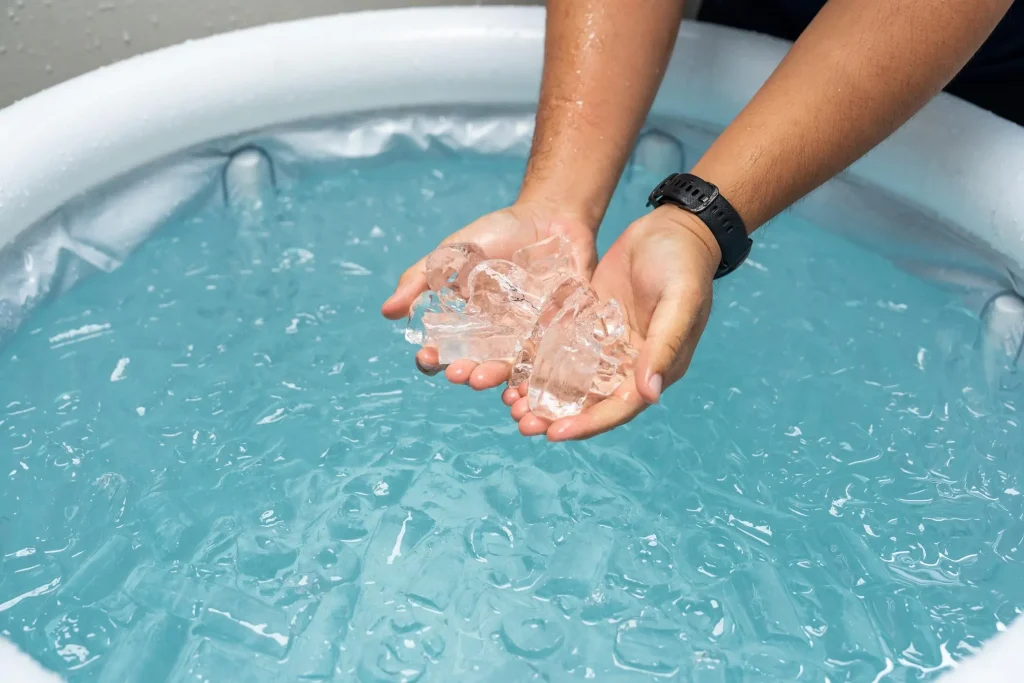
- Fill with hose water and add ice as needed
- Minimal commitment, low startup cost
- Ideal if you want to test consistency before investing
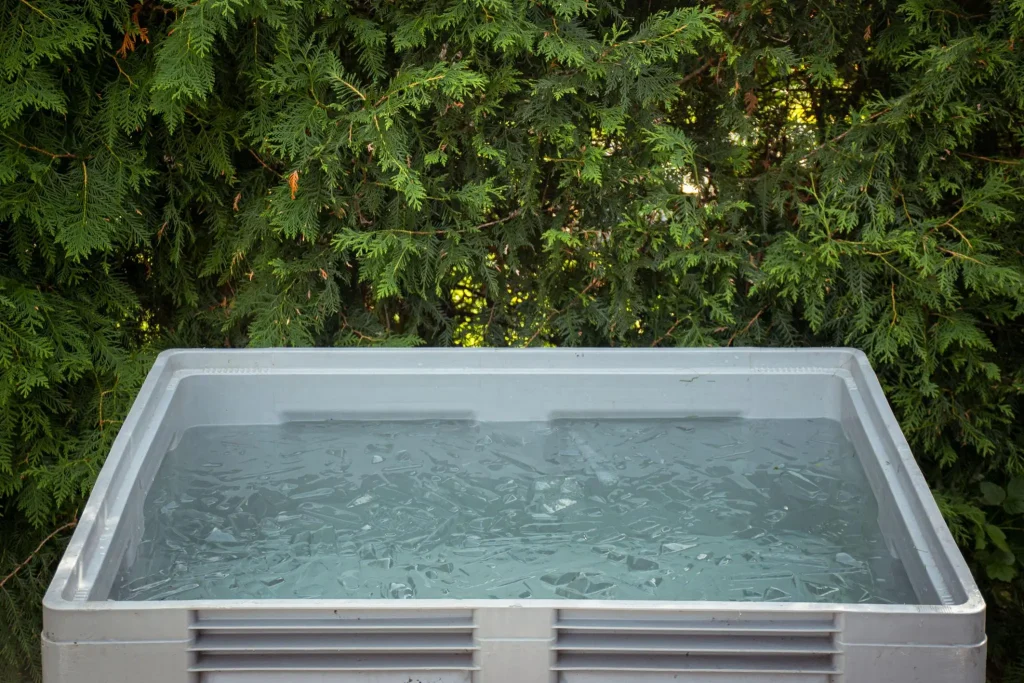
2. Stock Tank Conversions (DIY Favorite)
The practical homeowner solution.
- Durable and weather resistant
- Holds temperature well
- Can be paired with filtration or left manual
- Popular for garage or backyard installs
3. Chiller-Based Systems
For people who want precision.
- Active cooling maintains exact temperature
- No daily ice hauling
- Higher upfront cost but lowest maintenance effort
- Works well for frequent use
4. Hybrid Setups (Portable + Chiller Add-On)
A middle ground many homeowners land on.
- Start simple, upgrade cooling later
- Flexible and scalable
- Lets you grow into the habit instead of overspending early
Something to think about:
If you are unsure you will use it 4 to 5 times per week, start portable. Consistency matters more than equipment sophistication.
What Temperature Should a Cold Plunge Actually Be?
Most new users assume colder equals better. That is not how adaptation works.
Recommended Temperature Range
| Experience Level | Temperature | Time Target |
|---|---|---|
| Beginner | 50 to 59°F | 2 to 5 minutes |
| Intermediate | 45 to 50°F | 3 to 6 minutes |
| Advanced | 39 to 45°F | 5 to 10 minutes |
Going below 39°F adds stress without adding meaningful benefit for most people.
The goal is controlled discomfort, not survival mode.
Individuals with cardiovascular conditions or sensitivity to cold exposure should consult a healthcare professional before beginning cold immersion routines.
Reported Benefits: Why People Stick With It
Cold immersion is studied primarily for recovery and nervous system regulation. Users commonly report:
- Reduced post-exercise soreness
- Improved mental clarity after sessions
- Faster perceived recovery between workouts
- Mood stabilization and stress resilience
- Increased tolerance to environmental stress
This is less about instant transformation and more about cumulative effect. Think of it like lawn care. One application does nothing. Repetition creates change.
Where to Put Your Cold Plunge
Placement matters more than aesthetics.
Ideal Location Checklist
Choose a spot that has:
- Flat, load-bearing surface
- Easy access to water supply
- Drainage path for periodic emptying
- Partial shade to reduce heat gain
- Year-round accessibility
Garages and covered patios often outperform exposed yard placements because they reduce temperature swings and debris contamination.
Before Your First Plunge
Before using your setup for the first time:
- Rinse the tub to remove manufacturing residue or dust
- Fill and test temperature at least once before entering
- Confirm your maintenance plan (cover, treatment, change schedule)
- Start with shorter sessions to allow gradual adaptation
Step-by-Step Cold Plunge Setup
Step 1. Level the Base
Use rubber matting, pavers, or reinforced decking. Uneven surfaces stress seams and reduce lifespan.
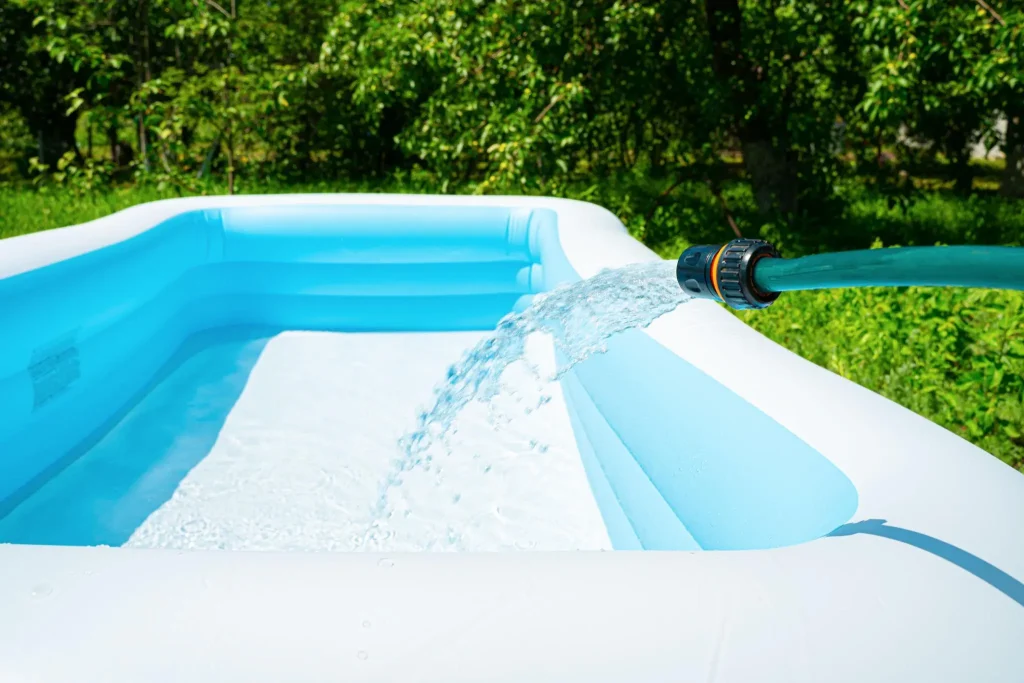
Step 2. Fill With Clean Water
Standard hose water works well. No special treatment needed initially.
Step 3. Dial in Temperature
Add ice or activate your chiller system until you reach your target range.
Step 4. Measure Temperature Consistently
Use a dedicated plunge thermometer.
Consistency matters more than hitting an exact number.
Step 5. Cover When Not in Use
This dramatically reduces contamination and maintenance workload.
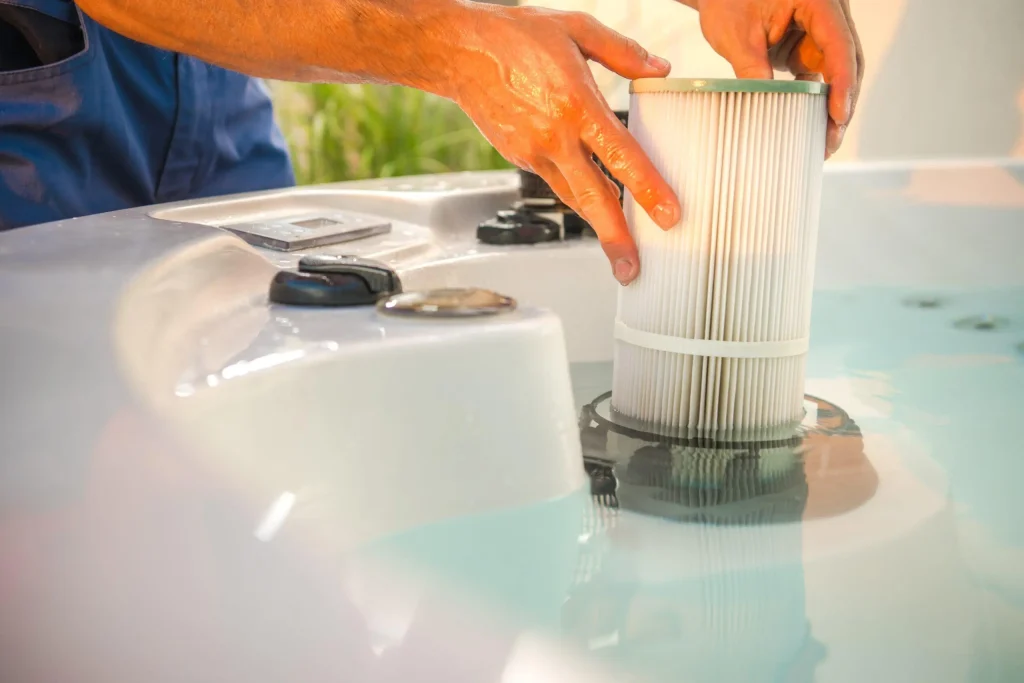
Water Maintenance: The Part Most People Underestimate
Cold water does not stay clean just because it is cold.
Without sanitation, plunges quickly develop:
- Cloudiness
- Biofilm buildup
- Odor
- Bacterial growth
Basic Water Care Routine
| Task | Frequency |
|---|---|
| Check clarity | Every use |
| Add treatment | Weekly |
| Full water change | Every 3 to 4 weeks |
| Wipe interior | As needed |
A purpose-built water stabilizer and clarifier designed for small-body immersion systems helps maintain balance without harsh pool-style chemistry. These treatments are formulated specifically for low-volume plunge environments rather than large swimming pools.
Choosing the Right Water Treatment
Not all water care products are designed for small, self-contained plunges. Traditional pool chemicals are often too concentrated for low-volume tubs and can create imbalance, odor, or skin irritation when used improperly.
Look for treatments specifically labeled for cold plunge or immersion systems, such as Pure 55, which are formulated to stabilize smaller bodies of water without requiring full filtration systems.
These types of solutions are meant to support:
- Compact water volumes (typically under 150 gallons)
- Manual maintenance schedules
- Reuse between water changes
- Simple weekly dosing instead of complex balancing
Cold Plunge Water Care Example
For small residential plunges, many users rely on a low-volume treatment designed specifically for ice baths rather than full-scale pool chemicals. These solutions help:
- Maintain water clarity between changes
- Reduce buildup and odor
- Stabilize water without harsh chlorine levels
- Extend usable water life in compact plunge systems
This type of treatment is designed for contained environments where water is reused for weeks, not continuously filtered like a pool.
Buy Product on AmazonLook for treatments labeled specifically for cold plunge or small-volume immersion systems rather than general pool care products.
Customer Review:
Callie, Winchester, VA
“This water treatment works really well! It’s been great for keeping the water clear and fresh without any harsh chemicals. Super simple to use, and it does an excellent job fighting odors and scum. Definitely a solid product for maintaining a clean and enjoyable cold plunge experience!”
Disclaimer:
Performance references are based on customer feedback and general-use testing in typical residential cold plunge setups. Results may vary depending on water conditions, usage frequency, and maintenance routine.
How Often Should You Change the Water?
This depends on three factors:
- Usage frequency
- Whether users rinse before entering
- Whether treatment is maintained
Typical residential use allows 3 to 4 weeks between changes when properly stabilized.
Heavy use without treatment can require weekly replacement.
When a stabilizing treatment like Pure 55 is used consistently, many homeowners find they can safely extend water life while maintaining clarity and usability.
A Simple Weekly Maintenance Example
A typical residential routine might look like this:
- Quick rinse before entering the plunge
- Check water clarity and temperature
- Add a measured maintenance dose of your chosen plunge-specific treatment
- Keep the tub covered when not in use
This kind of schedule helps prevent the need for frequent draining while keeping the plunge environment predictable and clean.
Common Beginner Mistakes to Avoid
Going Too Cold Too Fast
Leads to avoidance instead of habit formation.
Ignoring Sanitation
Clear water is not always clean water.
Overcomplicating the Setup
You do not need filtration, ozone, and automation on day one.
Inconsistent Use
The body adapts through repetition, not intensity.
What Does a Realistic Cold Plunge Setup Cost?
| Setup Type | Estimated Cost |
|---|---|
| Portable Entry Setup | $80 to $300 |
| Stock Tank DIY | $150 to $500 |
| Chiller System | $900 to $3,000 |
| Maintenance Supplies | Minimal ongoing |
When it comes to maintenance supplies, most homeowners only need a simple stabilizer, not a full suite of pool chemicals, which keeps ongoing care straightforward when using a plunge-formulated option like Pure 55.
Many homeowners start with a basic cold plunge and upgrade only after the habit becomes more permanent.
Who Benefits Most From a Home Cold Plunge?
Cold plunging tends to stick with:
- Active homeowners managing recovery
- People building structured wellness routines
- Individuals wanting a daily mental reset ritual
- Anyone who prefers practical health tools over complex programs
It is less useful for people looking for quick results without behavioral consistency.
Frequently Asked Questions (FAQs)
Only if you are running a manual system. Many users rotate frozen water jugs instead of buying ice.
Yes, if treated and covered. Seasonal draining is recommended in freezing climates.
Not initially. Many residential plunges run successfully on periodic treatment and water replacement.
No. Adaptation happens in the 45 to 55°F range for most people.
Yes. This significantly extends water life and reduces maintenance.
Use a treatment designed for cold plunge systems rather than swimming pools. Products like Pure 55 are intended for smaller volumes and help maintain clarity and stability between water changes without requiring a full chemical balancing routine.
Final Thoughts: Keep It Simple, Keep It Consistent
The best cold plunge setup is not the most expensive one. It is the one you will actually use on a Tuesday morning when motivation is low, and the water looks uninviting.
Start with a manageable system. Maintain it properly. Upgrade only when your routine earns it.
Cold plunging works like any good home project. Thoughtful setup prevents problems. Steady use delivers results.