

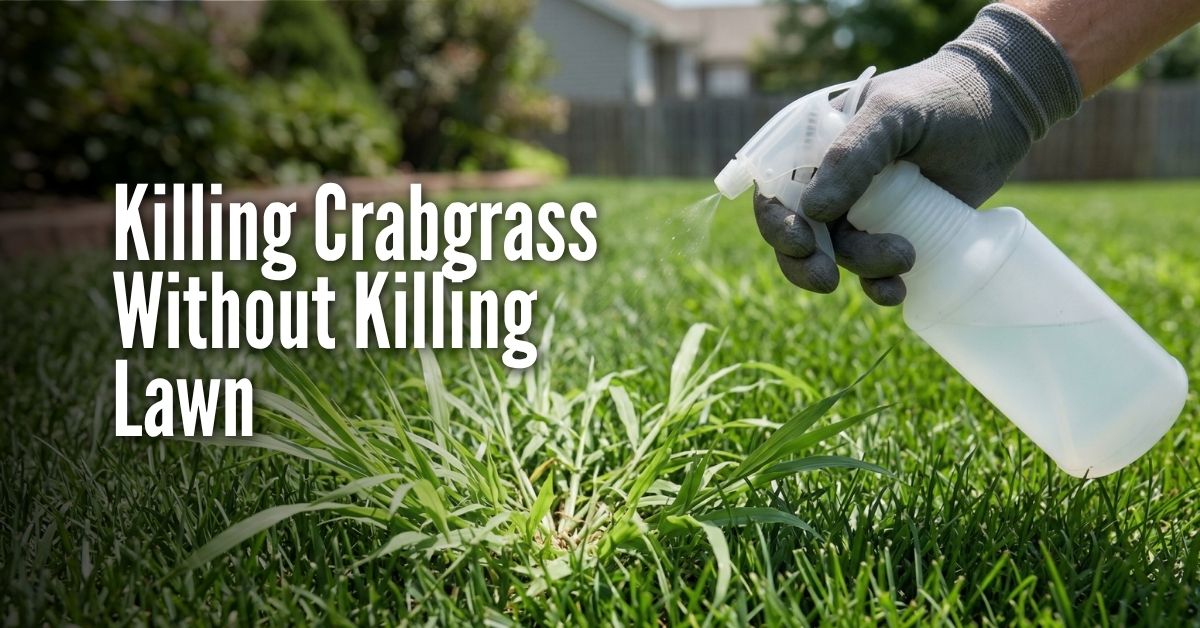
Learn how to kill crabgrass without damaging your lawn. This guide explains crabgrass control, safe crabgrass killers, and practical ways to remove crabgrass while protecting healthy grass.
Why Crabgrass Shows Up in Lawns
Crabgrass is one of the most common lawn weeds homeowners deal with.
It spreads quickly, grows aggressively in summer heat, and often shows up in places where turfgrass is already stressed.
You’ll typically see it appear in:
- thin areas of the lawn
- bare soil patches
- edges of driveways and sidewalks
- areas with poor soil or compacted ground
Crabgrass thrives when good grass struggles.
That’s why the real secret to crabgrass control isn’t just killing the weed. It’s also strengthening the lawn so crabgrass can’t take over again.
Quick Answer: How to Kill Crabgrass Without Killing Grass
The safest way to kill crabgrass without harming your lawn is to:
• use a selective crabgrass herbicide
• spot treat affected areas instead of spraying the entire lawn
• remove small patches by hand early in the season
• strengthen turf with proper fertilization and mowing
Healthy, dense grass naturally crowds out crabgrass over time.
What Crabgrass Actually Is
Crabgrass is a warm-season annual grassy weed.
That means it:
- germinates in spring
- grows rapidly through summer
- produces thousands of seeds
- dies off with the first frost
The seeds remain in the soil and can germinate again the following year.
Because of this cycle, effective crabgrass control focuses on two things:
- stopping the current plants
- preventing new ones from forming
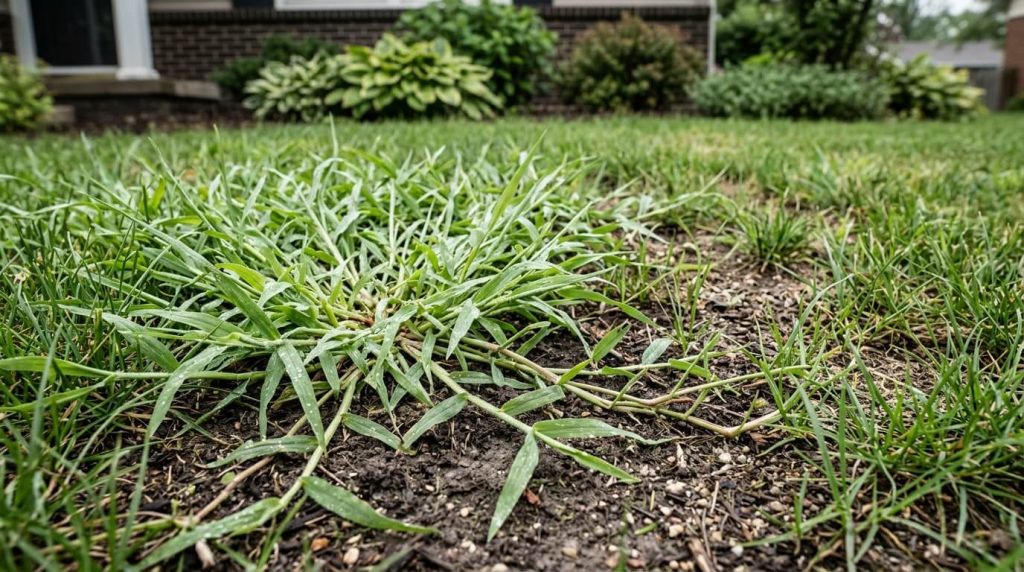
How to Identify Crabgrass in Your Lawn
Many grassy weeds look similar, so it helps to confirm you’re dealing with crabgrass.
Common characteristics include:
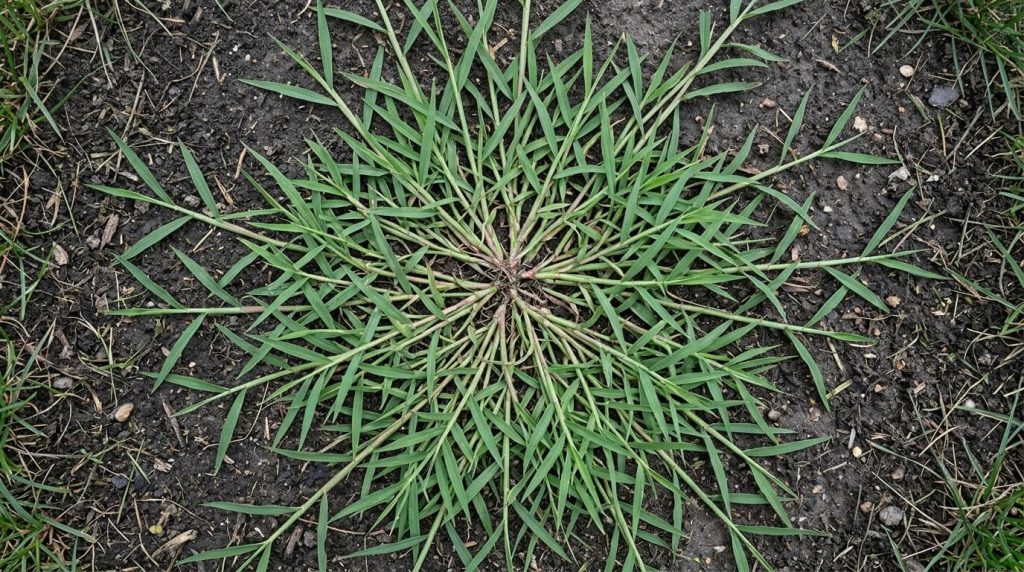
- wide, light-green blades
- stems that spread outward like spokes on a wheel
- growth that hugs the ground before spreading outward
- clumps that grow faster than surrounding grass
If you notice patches growing noticeably faster than the rest of the lawn, crabgrass is often the culprit.
The Safest Way to Kill Crabgrass Without Killing Your Lawn
The key to removing crabgrass without harming turf is using selective control methods.
These methods target crabgrass while leaving most lawn grasses unaffected.
There are three main approaches.
Method 1: Use a Selective Crabgrass Killer
Selective herbicides are designed to target specific weeds while protecting common turfgrass varieties.
A crabgrass killer typically works by disrupting the weed’s growth while allowing surrounding grass to remain healthy.
These products are usually applied as a spray and work best when:
- crabgrass is actively growing
- temperatures are warm
- the lawn is not under drought stress
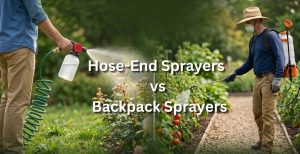
For best results, apply treatments evenly across affected areas using lawn sprayers such as the PetraTools HD4000 Battery Backpack Sprayer or the PetraTools HD2000-S.
Even application helps prevent streaking and ensures the herbicide reaches the crabgrass without over-applying chemicals.
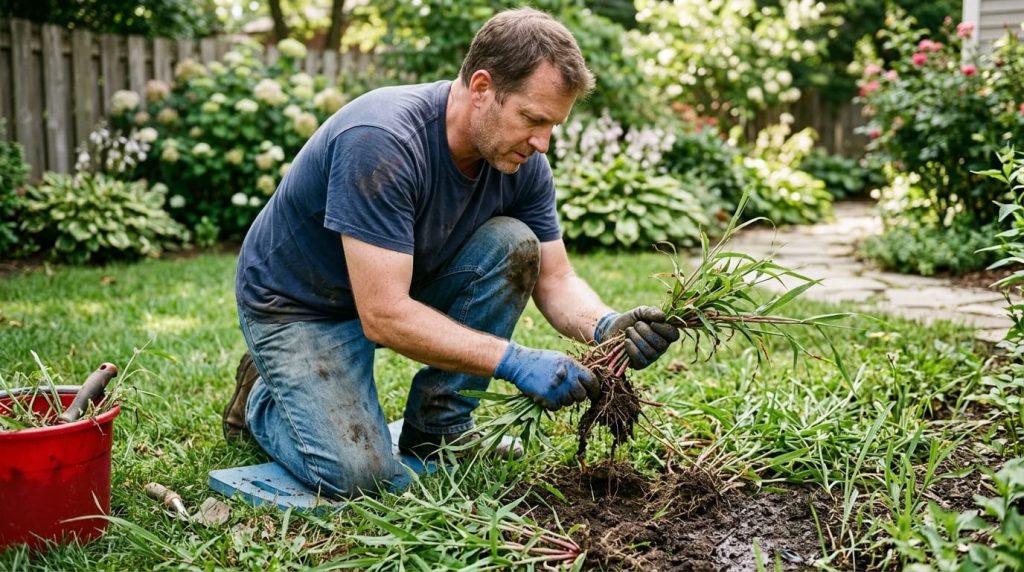
Method 2: Pull Crabgrass by Hand
For small infestations, manual removal can be surprisingly effective.
Crabgrass has a shallow root system, which means it can often be removed by pulling the entire plant out of the soil.
Tips for easier removal:
- pull weeds after rain or watering
- remove the entire root crown
- dispose of the plant to prevent seed spread
Hand removal works best early in the season before crabgrass produces seeds.
Method 3: Strengthen Your Lawn So Crabgrass Can’t Compete (Longterm Crabgrass Control) (H2)
One of the most effective ways to control crabgrass is simply growing a thicker, healthier lawn.
Crabgrass thrives in thin, stressed turf. When grass grows dense and vigorous, it naturally crowds out weeds.
Many homeowners improve lawn density with consistent fertilization using products like PetraMax Lawn Fertilizer Max. A balanced fertilizer helps strengthen grass roots and promote thicker turf growth, which reduces the open soil areas where crabgrass seeds tend to germinate. A consistent fertilization schedule helps grass grow thick enough to compete with common lawn weeds.
For homeowners focused on improving lawn appearance while strengthening turf, PetraMax Neighbor’s Envy Liquid Fertilizer is often used to support deeper green color and healthier grass growth throughout the growing season.

PetraMax Neighbor's Envy
Best for: Deep green color, all grass types, drought & heat tolerance, season-long turf care
Key features: 7 key nutrients in one bottle, visible green-up in 7–14 days, covers up to 16,000 sq. ft. per gallon, pet safe once dry
Availability: In stock — from $56.99 (1 gallon)
Buy ProductWhen turf grows thicker and healthier, crabgrass has fewer opportunities to establish itself.
Want a Thicker Lawn That Naturally Fights Weeds?
Maintaining healthy turf is one of the most effective ways to prevent crabgrass. Fertilizers like PetraMax Lawn Fertilizer Max and Neighbor’s Envy Liquid Fertilizer help support stronger grass growth so weeds have fewer opportunities to spread.
Buy ProductPreventing Crabgrass From Coming Back
Killing crabgrass is only half the job.
If conditions remain favorable, crabgrass seeds in the soil can germinate the following year.
Effective prevention focuses on improving the lawn itself.
Maintain a Thick Lawn
Healthy turf naturally crowds out weeds.
Practices that help include:
- regular fertilization
- proper mowing height
- consistent watering
- overseeding thin areas
Applying fertilizers such as PetraMax Lawn Fertilizer Max during active growing periods can help grass recover from stress and grow thick enough to compete with weeds.
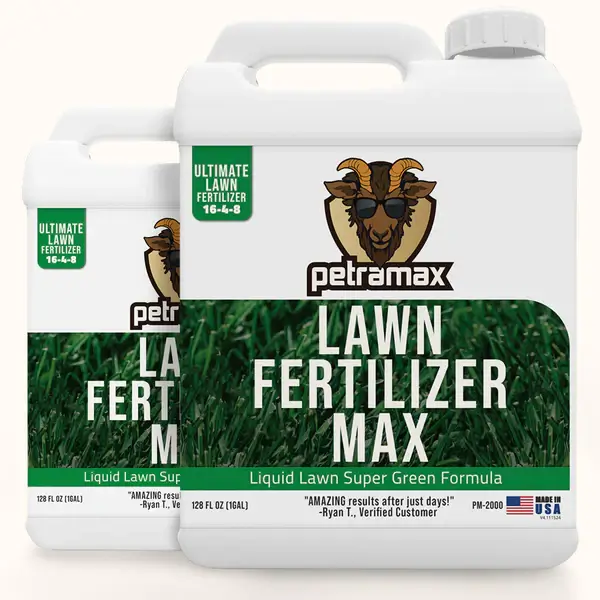
PetraMax Liquid Fertilizer Max
Best for: Lawn greening, root development, all grass types, spring & summer feeding, disease resistance
Key features: 16-4-8 NPK, quick & slow-release nitrogen, chelated iron, pet-friendly, treats up to 12,800 sq. ft.
Availability: In stock, starting from $78.99
Buy ProductSome homeowners also apply Neighbor’s Envy Liquid Fertilizer periodically to improve turf vigor and color, which supports a healthier lawn ecosystem overall.
Apply Pre-Emergent Crabgrass Control
Pre-emergent herbicides prevent crabgrass seeds from sprouting.
These treatments are typically applied in early spring before soil temperatures rise.
Timing is important. If applied too late, crabgrass may already be growing.
Improve Soil Health
Poor soil conditions can weaken turfgrass and create ideal conditions for weeds.
Improving soil structure through aeration and organic matter can strengthen lawn resilience.
Common Mistakes When Treating Crabgrass
Mowing Too Short
Scalping the lawn weakens grass and allows more sunlight to reach crabgrass seeds.
Overusing Herbicide
Applying too much product can stress healthy turf.
Ignoring Lawn Health
Fertilization, watering, and proper mowing are essential parts of long-term crabgrass control.
Waiting Too Long
Young crabgrass plants are much easier to eliminate than mature ones.
When Crabgrass Control Works Best
Timing plays a huge role in success.
General timeline:
| Season | Crabgrass Control Strategy |
|---|---|
| Early Spring | Apply pre-emergent control |
| Late Spring | Watch for new crabgrass plants and treat early |
| Summer | Spot treat active crabgrass |
| Fall | Repair lawn and overseed |
This seasonal approach helps reduce crabgrass pressure year after year.
Frequently Asked Questions
Selective crabgrass herbicides are designed to kill crabgrass while leaving common turfgrasses largely unaffected.
Yes. Small patches can often be removed by hand before they produce seeds.
Crabgrass produces thousands of seeds that remain in the soil and germinate the following season.
Maintaining a slightly higher mowing height helps shade the soil and makes it harder for crabgrass to grow.
The Bottom Line
Crabgrass can be frustrating, but it’s also manageable with the right approach.
The goal isn’t just to kill the weed. It’s to create conditions where healthy grass can thrive.
By combining selective crabgrass killers, targeted removal methods, and better lawn care practices—including strengthening turf with fertilizers like PetraMax Lawn Fertilizer Max and Neighbor’s Envy Liquid Fertilizer—homeowners can remove crabgrass from their lawn without damaging the grass they want to keep.
Over time, a thicker, healthier lawn becomes the best long-term defense against crabgrass returning.