

Mosquitoes can quickly turn a comfortable backyard into a place you avoid during the warmer months. While sprays and citronella candles help a little, they often don’t reach the shaded areas where mosquitoes actually rest.
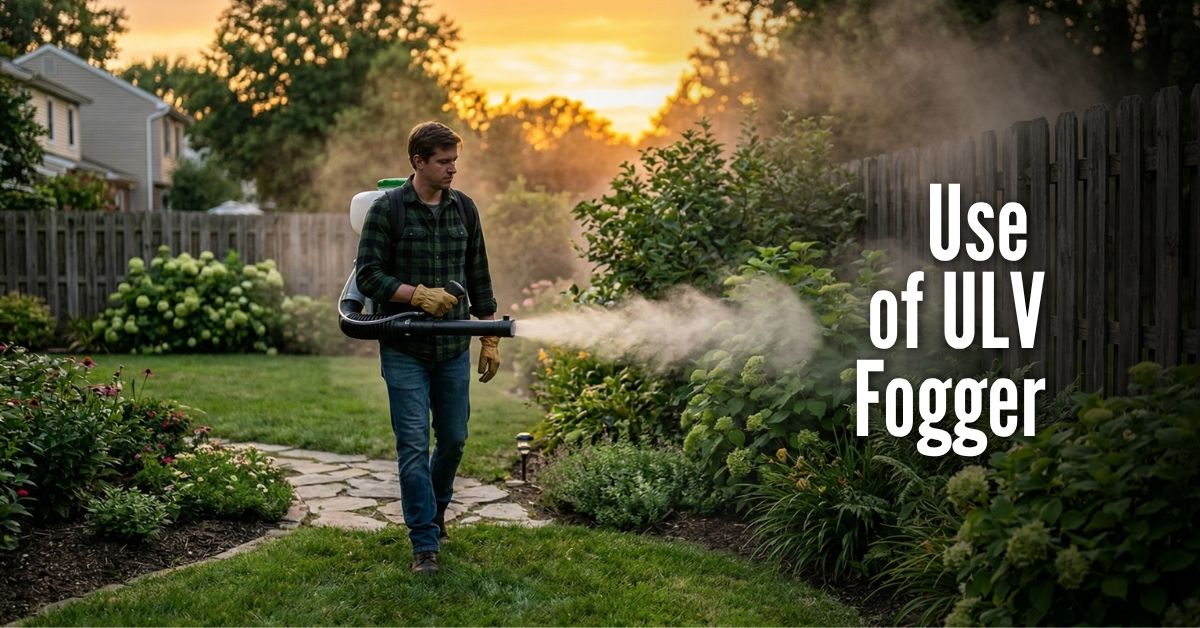
That’s where ULV fogging comes in. When used correctly, a ULV fogger allows homeowners to disperse mosquito control treatments as an ultra-fine mist that moves through landscaping, shrubs, and other hiding spots. This guide walks through how ULV foggers work and how to use a ULV fogger effectively for backyard mosquito control.
What a ULV Fogger Actually Does
ULV stands for Ultra Low Volume, which refers to how the machine disperses liquid solution into an extremely fine mist.
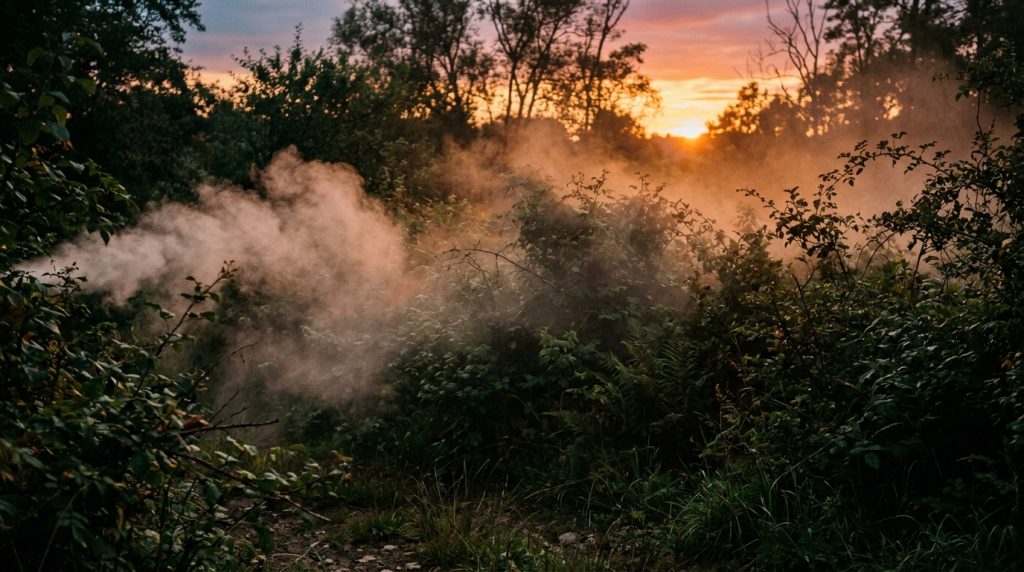
Instead of spraying large droplets that fall quickly to the ground, a ULV fogger produces microscopic droplets that stay suspended in the air longer. This allows the treatment to drift through shrubs, under decks, along fence lines, and into the shaded areas where mosquitoes typically rest during the day.
The result is much better coverage than traditional spraying methods.
For homeowners dealing with backyard mosquito problems, a ULV fogger can cover large outdoor areas quickly while using relatively small amounts of solution.
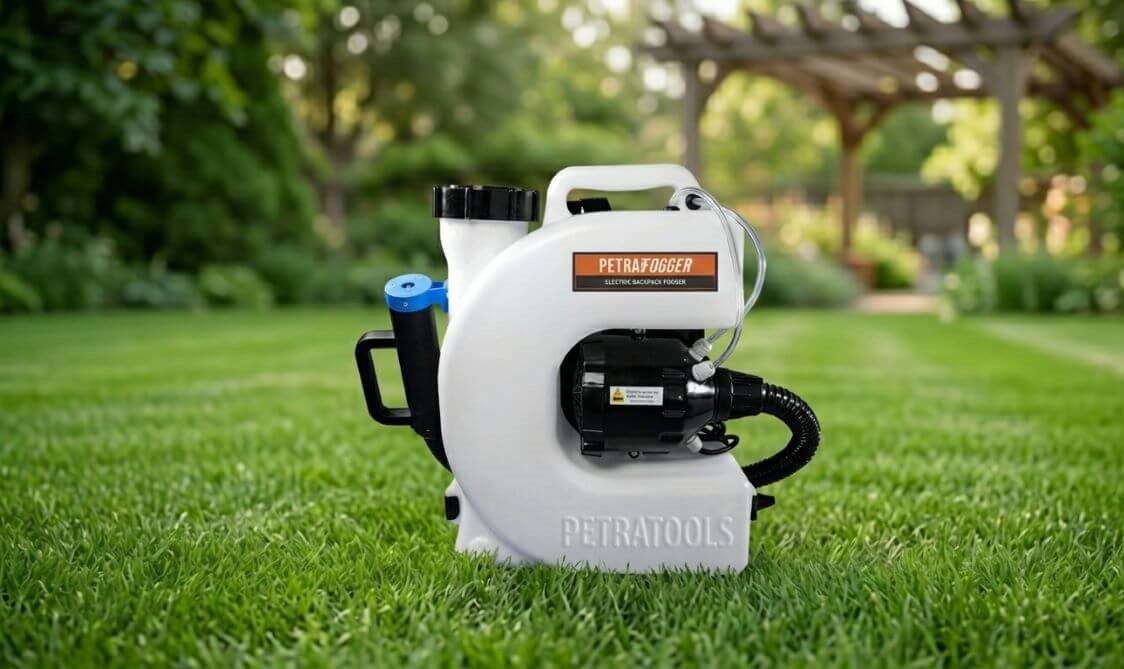
Many homeowners use portable foggers designed specifically for residential mosquito control. A good example is the PetraTools Electric Backpack ULV Fogger, which combines a backpack design with an electric ULV misting system. This type of fogger makes it easy to walk through a yard, fence line, or garden area while producing the fine mist needed for effective mosquito control.
Why ULV Fogging Works for Mosquito Control (H2)
Mosquitoes rarely fly out in the open during the day. Instead, they hide in shaded and humid areas around your property.
Common mosquito resting areas include:
• under shrubs and bushes
• tall grass and dense landscaping
• shaded fence lines
• beneath decks and patios
• around garden beds and wood piles
A ULV fogger works well because the fine mist floats through these hiding spots, contacting mosquitoes where they actually spend most of their time.
This makes fogging particularly effective when used as part of a routine mosquito control strategy.
When to Fog for Mosquitoes (Timing Matters) (H2)
Timing plays a major role in mosquito control. Many mosquito species are most active around dawn and dusk according to the Centers for Disease Control and Prevention (CDC).
The best time to use a ULV fogger is typically:
Early morning or early evening are typically the most effective times.
These are the times when mosquitoes are most active and when air movement is usually calmer.
Fogging during windy conditions can disperse the treatment too quickly, reducing effectiveness.
Many homeowners find that fogging shortly before sunset provides the most noticeable results.
Where Mosquitoes Hide Around Your Property
Before fogging, take a few minutes to identify the areas most likely to harbor mosquitoes.
Focus your treatment on places such as:
• dense hedges
• shaded corners of the yard
• areas near standing water
• thick ornamental plants
• underneath outdoor structures
Mosquito control works best when the fogger is directed into these shaded zones rather than simply spraying open lawn areas.
Quick Mosquito Habitat Checklist
Before fogging, walk your yard and check for these common mosquito habitats:
• clogged gutters
• plant saucers holding water
• bird baths or fountains
• tarps or covers that collect rainwater
• dense shrubs or overgrown landscaping
Reducing these conditions can dramatically improve the effectiveness of fogging treatments.
Choosing the Right ULV Fogger
If you plan to treat mosquitoes regularly during the warmer months, using a fogger designed specifically for residential mosquito control can make the job much easier.
Backpack units allow you to move comfortably through landscaping, fence lines, and shaded areas where mosquitoes typically rest.
One example is the PetraTools Electric Backpack ULV Fogger, which is designed for homeowners and DIY property maintenance. Its backpack design helps distribute weight evenly while producing the ultra-fine mist needed for effective mosquito fogging.
This type of fogger works well for:
• backyard mosquito control
• treating landscaping and garden areas
• fogging along fence lines and wooded edges
• covering larger properties more efficiently
Step-by-Step: How to Use a ULV Fogger for Mosquito Control
Using a ULV fogger is straightforward once you understand the basic process.
Step 1: Prepare the Mosquito Control Solution
Fill the fogger tank with the mosquito control product according to the manufacturer’s mixing instructions.
Always measure carefully and avoid over-concentrating the solution.
Step 2: Choose the Right Time to Fog
Plan to fog during calm weather in the early morning or evening when mosquitoes are active and wind conditions are minimal.
Step 3: Start at the Edge of the Property
Begin fogging along fence lines, tree lines, and perimeter vegetation where mosquitoes tend to rest.
This helps create a treatment barrier around your yard.
Step 4: Move Slowly Through Problem Areas
Walk slowly while fogging so the mist has time to drift into shrubs, hedges, and shaded areas. Direct the nozzle slightly upward to allow the fog to disperse naturally.
Backpack foggers like the PetraTools Electric Backpack ULV Fogger make this easier because they allow you to move comfortably through landscaping while maintaining consistent mist output.
Step 5: Treat Dense Landscaping and Shade
Pay special attention to areas with thick vegetation or shade where mosquitoes hide during the day.
Step 6: Allow the Fog to Settle
After fogging, allow the mist to settle naturally through the treated areas.
Avoid heavy yard activity for a short period so the treatment can work effectively.
ULV Fogging Tips for Better Coverage
Small adjustments can dramatically improve mosquito control results.
Move Slowly
Walking too fast prevents the mist from drifting into vegetation.
Target Shade
Mosquitoes avoid direct sunlight and rest in cool, shaded areas.
Use the Wind Lightly
A gentle breeze can help carry fog deeper into landscaping if used carefully.
Treat Perimeter Zones
Focusing on yard edges often reduces mosquitoes entering the property.
Weather Conditions That Affect Mosquito Fogging
Environmental conditions can influence how well fogging works.
Ideal Conditions
• light or no wind
• moderate humidity
• temperatures above 60°F
Conditions to Avoid
• strong winds
• heavy rain
• extreme heat
Fogging under calm conditions allows the droplets to remain suspended longer and spread more evenly.
Common Mosquito Fogging Mistakes
Fogging Only Open Lawn Areas
Mosquitoes rarely stay in open sunlight.
Spraying Too Quickly
Moving too fast reduces coverage.
Fogging During Windy Conditions
Wind disperses treatment before it reaches target areas.
Ignoring Standing Water
Standing water is a breeding source and should always be addressed alongside fogging.
Even small amounts of standing water can become mosquito breeding sites if left untreated, which is why removing water sources should always accompany fogging treatments.
How Often You Should Fog for Mosquito Control
Mosquito control usually requires repeated treatments during peak season.
Most homeowners fog their property:
every 2 to 3 weeks during mosquito season
Heavy mosquito populations or rainy weather may require more frequent treatments.
Reducing standing water and maintaining landscaping can also improve long-term mosquito control results.
Recommended Mosquito Fogging Schedule
| Situation | Recommended Fogging Frequency |
|---|---|
| Moderate mosquito activity | Every 2 – 3 weeks |
| Heavy mosquito populations | Every 1 – 2 weeks |
| After extended rain or flooding | Re-treat affected areas |
| Properties near woods, ponds, wetlands | Monitor weekly and fog as needed |
ULV Fogger Safety Tips
When using a ULV fogger, always follow basic safety practices.
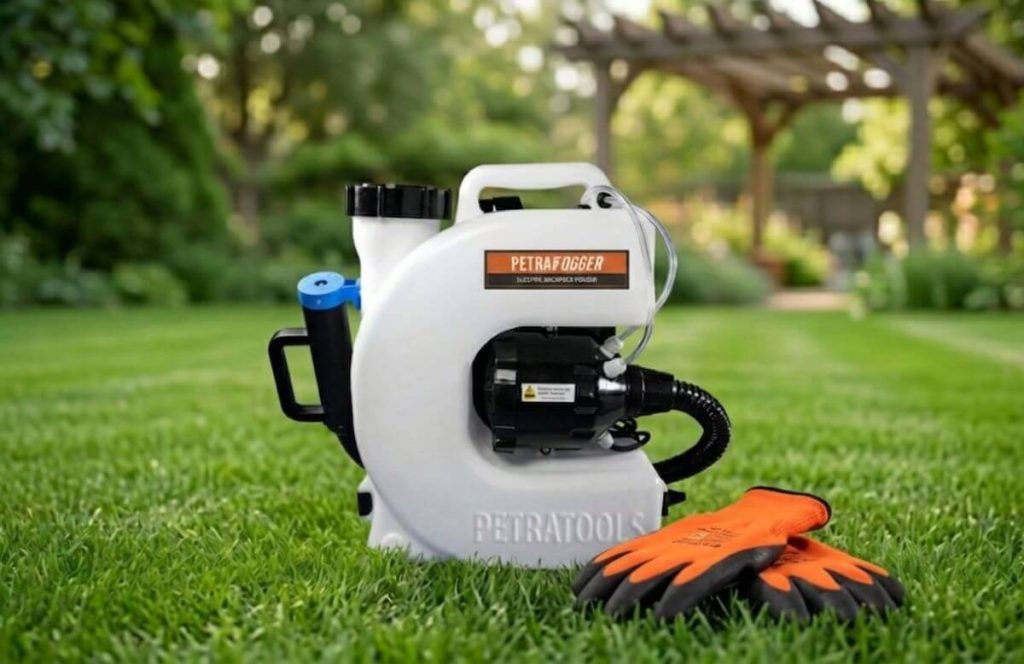
• Wear protective gloves when handling solutions
• Avoid fogging near food preparation areas
• Keep pets and children away during application
• Follow label directions for the mosquito control product being used
Taking a few simple precautions helps ensure safe and effective treatments.
Always read and follow the label directions for any mosquito control product you apply, as label instructions are considered the legal guidance for safe use.
Always read and follow the label directions for any mosquito control product you apply, as label instructions are considered the legal guidance for safe use.
Frequently Asked Questions
ULV fogging can reduce adult mosquito populations quickly, especially when applied during peak mosquito activity.
Coverage depends on the fogger model, but many residential units can treat several thousand square feet efficiently.
When used according to product directions and safety guidelines, ULV foggers are commonly used for residential mosquito control.
Yes. Eliminating standing water helps prevent mosquito breeding and improves long-term control results.
Tool Spotlight: A ULV Fogger Built for Backyard Mosquito Control
If you plan to fog regularly during mosquito season, using a dedicated fogger designed for residential properties can make the job much easier.
The PetraTools Electric Backpack ULV Fogger is built specifically for property maintenance and mosquito control, combining a comfortable backpack design with an ultra-low-volume misting system that helps treatments reach the shaded areas where mosquitoes hide.
Many homeowners also combine fogging with other mosquito control strategies to create a more comfortable outdoor space.
The Bottom Line
Mosquito control around the home often requires more than just sprays or candles.
Using a ULV fogger allows homeowners to apply treatments as a fine mist that drifts into the shaded areas where mosquitoes actually hide. When used at the right time of day and combined with basic yard maintenance, fogging can significantly reduce mosquito activity around outdoor living spaces.
With a simple routine and the right timing, a ULV fogger can turn a mosquito-filled yard back into a place where you actually want to spend time outside.
For many homeowners, ULV fogging becomes a reliable part of their backyard mosquito control routine. Learning how to use a ULV fogger properly allows homeowners to manage mosquito populations more effectively without relying solely on sprays or temporary repellents.