

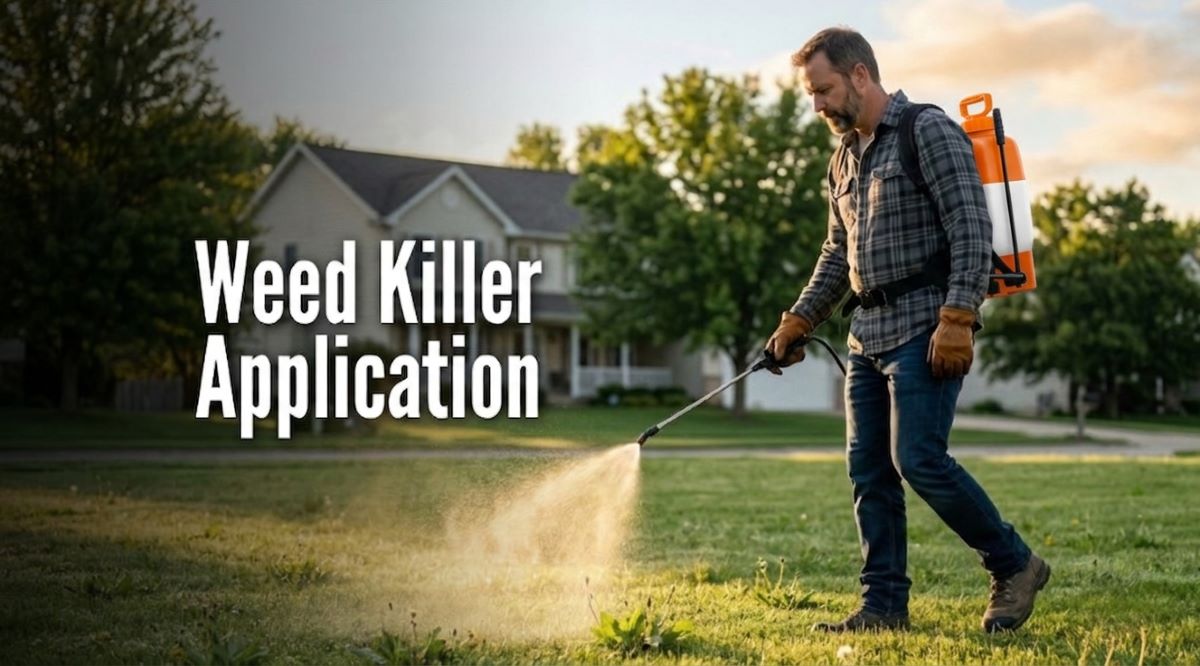
Why Proper Weed Killer Application Matters
Most people assume weed killer either works or it doesn’t.
In reality, how you apply it often determines whether it succeeds or fails.
Timing, weather conditions, spray coverage, and even the equipment you use can all influence how well a herbicide works. When applied correctly, weed killers can eliminate unwanted plants while leaving healthy grass largely unaffected.
When applied poorly, weeds survive, lawns suffer stress, and the problem often returns.
A smart weed control strategy focuses on timing, accuracy, and lawn health, not just spraying chemicals.
Many homeowners combine proper weed control timing with tools like backpack sprayers to ensure weed killer application is even and effective across the lawn.
Understanding How Herbicides Work
Herbicides work by interfering with normal plant growth.
Some products kill weeds on contact, while others move through the plant system and attack the roots. These are called systemic herbicides, meaning they move through the plant’s vascular system to reach the roots.
In lawns, herbicides are usually grouped into two main types:
Pre-Emergent Herbicides
These prevent weed seeds from germinating.
They are applied before weeds appear, usually in early spring when soil temperatures reach around 50–55°F.
Post-Emergent Herbicides
These target weeds that are already growing.
They are sprayed directly onto the leaves so the plant absorbs the product.
Understanding which type you’re using helps determine when to spray weed killer for the best results.
When to Spray Weed Killer (Timing Matters)
One of the most important factors in weed control timing is when weeds are actively growing.
Most lawn weeds absorb herbicides best during periods of active growth, which typically occurs in spring and fall.
For many lawns:
- Early spring helps prevent annual weeds from establishing
- Late spring through summer controls actively growing weeds
- Fall treatments often work best on perennial weeds
Fall is especially effective for many broadleaf weeds because plants move nutrients into their roots during this time, allowing herbicides to travel deeper into the plant.
Best Time of Day to Apply Weed Killer
Temperature and sunlight matter more than most homeowners realize.
Early morning or late afternoon is usually ideal because temperatures are cooler and winds tend to be calmer.
Avoid spraying during extreme heat or when rain is expected.
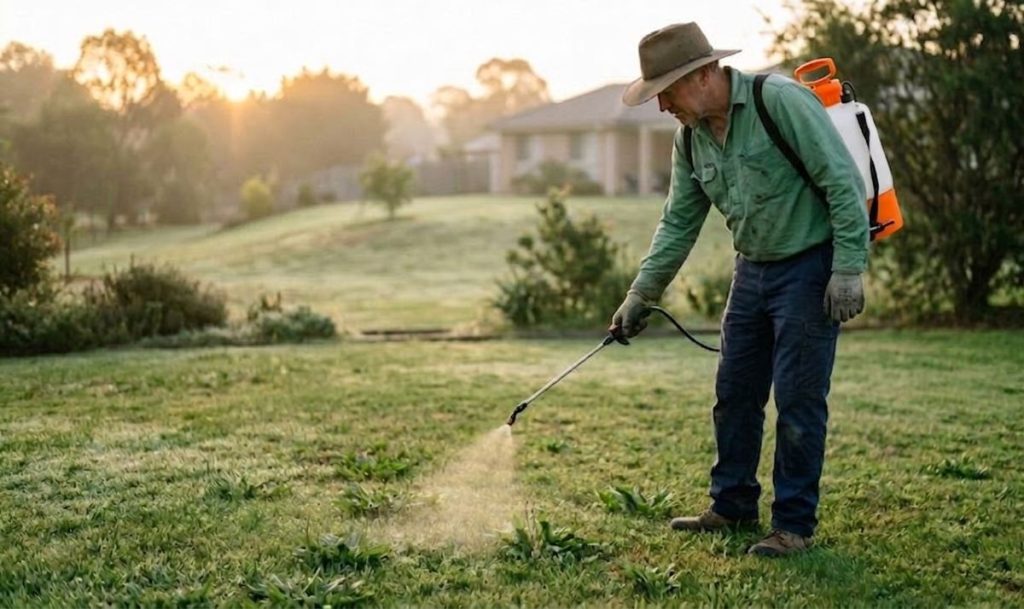
Seasonal Weed Control Timing Calendar
Understanding weed control timing throughout the year helps homeowners stay ahead of weed problems before they spread across the lawn.
Different weeds grow during different seasons, which means the best time to apply weed killer depends on the type of weeds you’re dealing with.
Spring (Early Season Weed Prevention)
Spring is when many annual weeds begin germinating.
Applying herbicides during early growth stages can stop weeds before they become established.
Common spring targets include:
• crabgrass
• chickweed
• dandelions
• clover
This is also a good time to strengthen lawn growth. Many homeowners apply lawn fertilizers such as PetraMax Fertilizer Max or PetraMax Nitrogen Max in spring to help grass grow thicker and compete against emerging weeds.
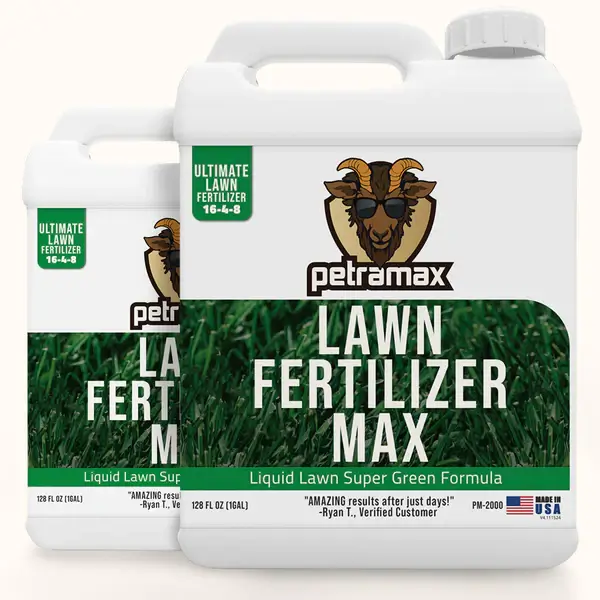
PetraMax Liquid Fertilizer Max
Best for: Lawn greening, root development, all grass types, spring & summer feeding, disease resistance
Key features: 16-4-8 NPK, quick & slow-release nitrogen, chelated iron, pet-friendly, treats up to 12,800 sq. ft.
Availability: In stock, starting from $78.99
Buy ProductSummer (Active Weed Control)
During summer, weeds are actively growing and visible in the lawn.
Post-emergent herbicides work best when weeds are young and actively absorbing nutrients.
Focus treatments on:
• broadleaf weeds
• creeping weeds
• fast-spreading summer annuals
Spot treatments using a sprayer often work better than spraying the entire lawn during this time.
Fall (Best Time for Many Perennial Weeds)
Fall is often considered the most effective season for weed control.
As temperatures cool, many perennial weeds begin storing nutrients in their roots to prepare for winter. Herbicides applied during this time move deeper into the plant, improving long-term control.
Common fall targets include:
• dandelions
• thistle
• plantain
• wild violet
Fall lawn feeding with products like PetraMax Neighbor’s Envy can also help grass recover and fill in areas where weeds were removed.
Winter (Planning & Lawn Recovery)
Winter is usually not a time for herbicide application, but it’s an opportunity to prepare for the next growing season.
Homeowners often use this time to:
• inspect thin lawn areas
• repair soil issues
• plan spring weed prevention
Temporary solutions like Grass Paint can also improve lawn appearance during dormant periods while the lawn prepares for spring growth.
Weed control timing changes throughout the year. The quick guide below helps homeowners understand when herbicide applications are most effective.
Annual Weed Control Timing Guide
Weather Conditions That Affect Herbicide Application (H2)
Even the best herbicide can fail if weather conditions are wrong.
Ideal Weather Conditions
| Season | Primary Goal | Common Weed Types | Recommended Action |
|---|---|---|---|
| Spring | Prevent early weeds | Crabgrass, chickweed | Apply pre-emergent and strengthen lawn |
| Summer | Control active weeds | Broadleaf weeds | Spot treat with herbicide |
| Fall | Deep weed control | Dandelion, thistle | Apply systemic herbicides |
| Winter | Lawn planning | Dormant weeds | Prepare soil and lawn recovery |
• mild temperatures (60–80°F)
• light or no wind
• dry leaves
• no rain forecast for several hours
Spraying during windy conditions increases the risk of herbicide drift, which can damage nearby plants.
Temperature inversions can also cause fine spray droplets to drift away from the target area, reducing herbicide effectiveness.
Step-by-Step: How to Apply Weed Killer Correctly
Applying herbicide is not complicated, but a consistent method makes a big difference when it comes to effective weed killer application..
Step 1: Identify the Weed Problem
Determine what types of weeds you’re dealing with. Different weeds may require different herbicides or timing strategies.
Step 2: Choose the Right Herbicide
Select a product labeled for the specific weeds and grass type in your lawn.
Step 3: Measure the Correct Application Rate
Always follow the label instructions carefully.
Over-application can damage your lawn while under-application may leave weeds alive.
Step 4: Apply Evenly Across Target Areas
Move at a steady walking pace while spraying so coverage remains consistent.
Backpack sprayers such as the PetraTools HD4000 Battery Powered Backpack Sprayer or PetraTools HD3000 Battery Powered Backpack Sprayer make it easier to maintain steady coverage because they deliver consistent pressure and allow you to move smoothly across the lawn while spraying.
Spot-treat individual weeds when possible rather than spraying the entire lawn unnecessarily.
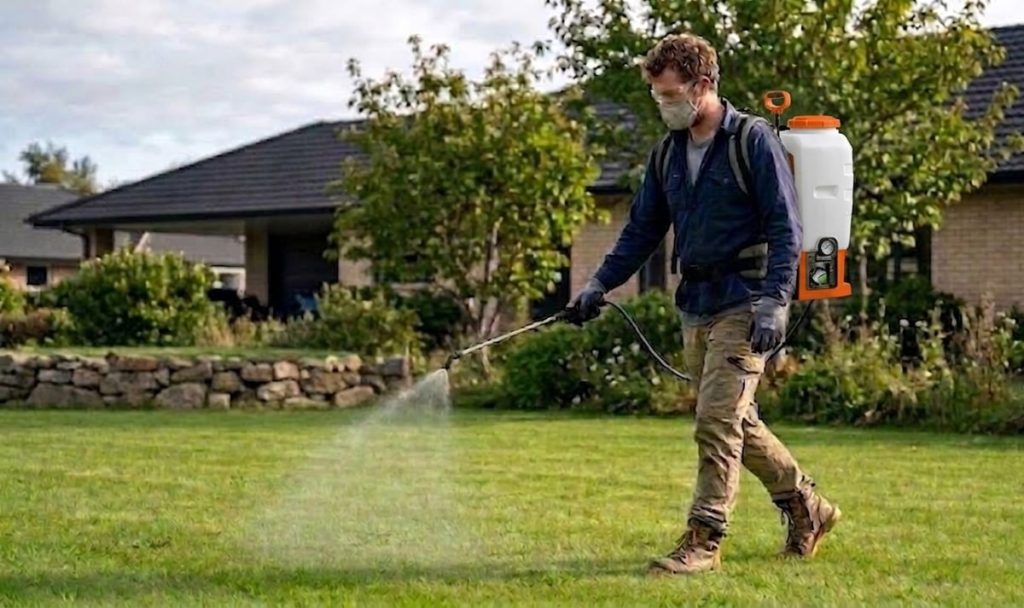
Step 5: Allow Time for Absorption
After spraying, avoid mowing or watering the lawn immediately.
Most herbicides need several hours to fully absorb into the plant.
Herbicide Spraying Tips for Better Results
A few small adjustments can significantly improve weed killer application.
Spray When Weeds Are Actively Growing
Actively growing weeds absorb herbicides much more efficiently.
Avoid Mowing Immediately Before Spraying
Weeds need leaf surface area to absorb the herbicide.
Use Proper Spray Coverage
The goal is to coat the leaves lightly, not soak the plant.
Combine Weed Control With Lawn Health
A healthy lawn naturally competes with weeds.
Many homeowners improve their lawn’s density by using balanced fertilizers such as PetraMax Fertilizer Max or PetraMax Nitrogen Max, which help grass grow thicker and crowd out new weeds.
Once timing and weather conditions are right, the next factor that influences results is the equipment used to apply the herbicide.
Choosing the Right Equipment for Weed Control
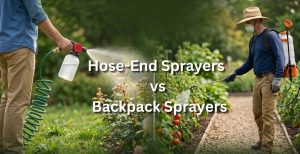
The equipment you use influences how evenly herbicides are applied.
Hand Pump Sprayers
Best for spot treating small weed patches.
Backpack Sprayers
Ideal for medium to large properties where consistent spray coverage is needed.
Backpack sprayers are one of the most efficient tools for consistent weed killer application, especially on medium-to-large lawns.
Models like the PetraTools HD4000 Battery Powered Backpack Sprayer and PetraTools HD3000 Battery Powered Backpack Sprayer allow homeowners to apply herbicides, fertilizers, and lawn treatments with steady pressure and even coverage. Battery-powered sprayers eliminate manual pumping and allow continuous spraying across larger areas, improving accuracy and consistency during weed control applications.

PetraTools HD4000 Backpack Sprayer
Best for: Lawn care, pest control, property maintenance
Key features: 4-gallon tank, adjustable pressure, rechargeable battery
Availability: In stock for $199.99
Buy ProductHose-End Sprayers
Useful for quick treatment of large areas but less precise.
Regardless of the sprayer type, maintaining consistent pressure and nozzle control helps ensure even herbicide application.
Common Weed Killer Application Mistakes
Spraying During Windy Conditions
Wind can carry herbicide away from target weeds.
Applying Too Much Product
More herbicide does not always mean better results.
Spraying Stressed Lawns
Grass suffering from drought or extreme heat can be more sensitive to herbicides.
Ignoring Lawn Health
Strengthening the lawn itself can reduce future weed pressure.
Products like PetraMax Neighbor’s Envy are often used to help improve overall turf color and vitality, while solutions like PetraMax Grass Paint Max can restore appearance quickly in areas where weeds have recently been treated.
Lawn Recovery After Weed Control
After weed killer application, your lawn may need time to recover.
Encouraging strong grass growth helps fill in areas where weeds once grew.
Helpful recovery steps include:
• fertilizing appropriately
• watering consistently
• overseeding thin areas
• maintaining proper mowing height
A thicker lawn makes it harder for new weeds to establish.
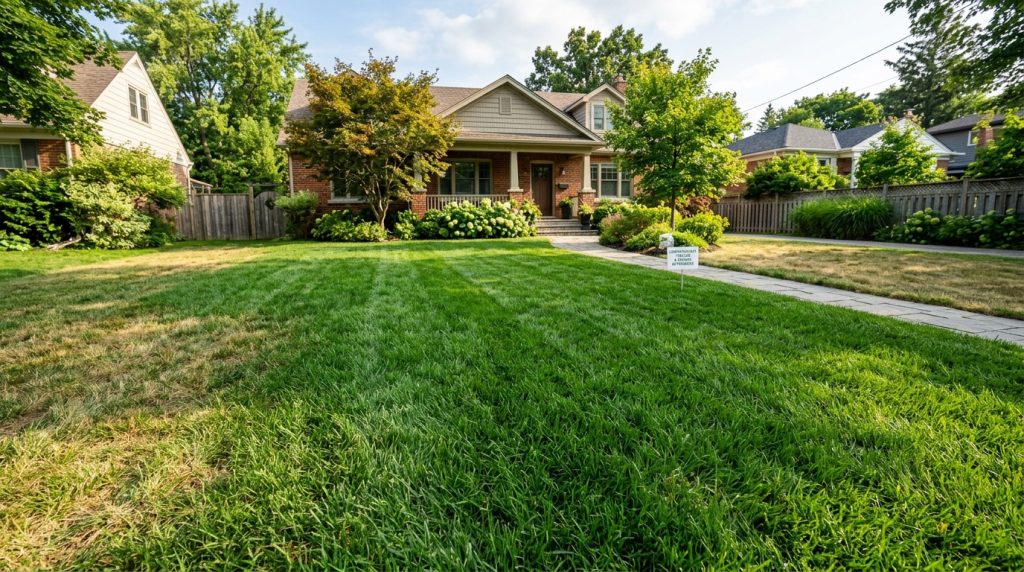
For homeowners who apply herbicides regularly, investing in a dedicated sprayer can make lawn care significantly easier.
Equipment Spotlight: Backpack Sprayers for Lawn Applications
For homeowners who regularly apply weed killer, fertilizer, or lawn treatments, a backpack sprayer can make the job much easier.
Sprayers like the PetraTools HD4000 Battery Powered Backpack Sprayer feature a large 4-gallon tank and battery-powered system that can spray for hours without manual pumping.
For smaller properties or lighter spraying tasks, the PetraTools HD3000 Battery Powered Backpack Sprayer provides a slightly more compact 3-gallon option while still delivering steady pressure and multiple nozzle options for precise lawn care applications.
Frequently Asked Questions
Some herbicides show visible results within a few days, while systemic products may take several weeks to fully kill weeds.
Avoid mowing immediately before spraying so weeds have enough leaf surface to absorb the herbicide.
Rain can wash herbicides off leaves before they absorb, reducing effectiveness.
Some difficult weeds require repeat applications every 3–4 weeks for full control.
The Bottom Line
Weed killer application is not just about spraying and hoping for the best.
Successful weed control comes down to timing, weather conditions, accurate application rates, and good lawn care practices.
When herbicides are applied thoughtfully and combined with proper fertilization and turf maintenance, homeowners can gradually shift the balance in favor of healthy grass instead of weeds.
Over time, the result is a thicker, greener lawn that requires fewer weed treatments and looks better throughout the season.Learning when to spray weed killer and how to apply herbicides correctly can dramatically improve lawn health while reducing the need for repeated treatments.